Guide
Tinnitus Remedies That Actually Work in 2026
By Dr. Michael Torres, Au.D. · Updated 2026-03-10
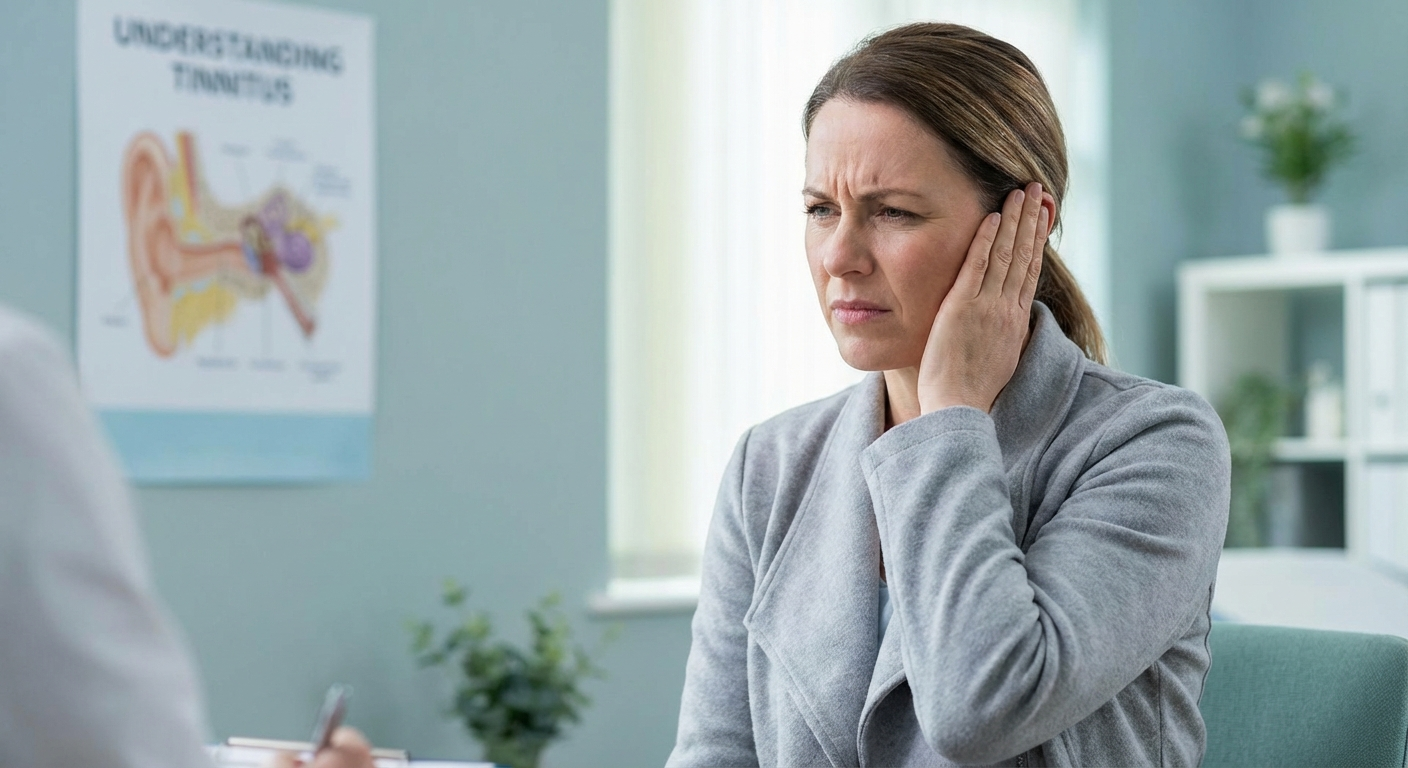
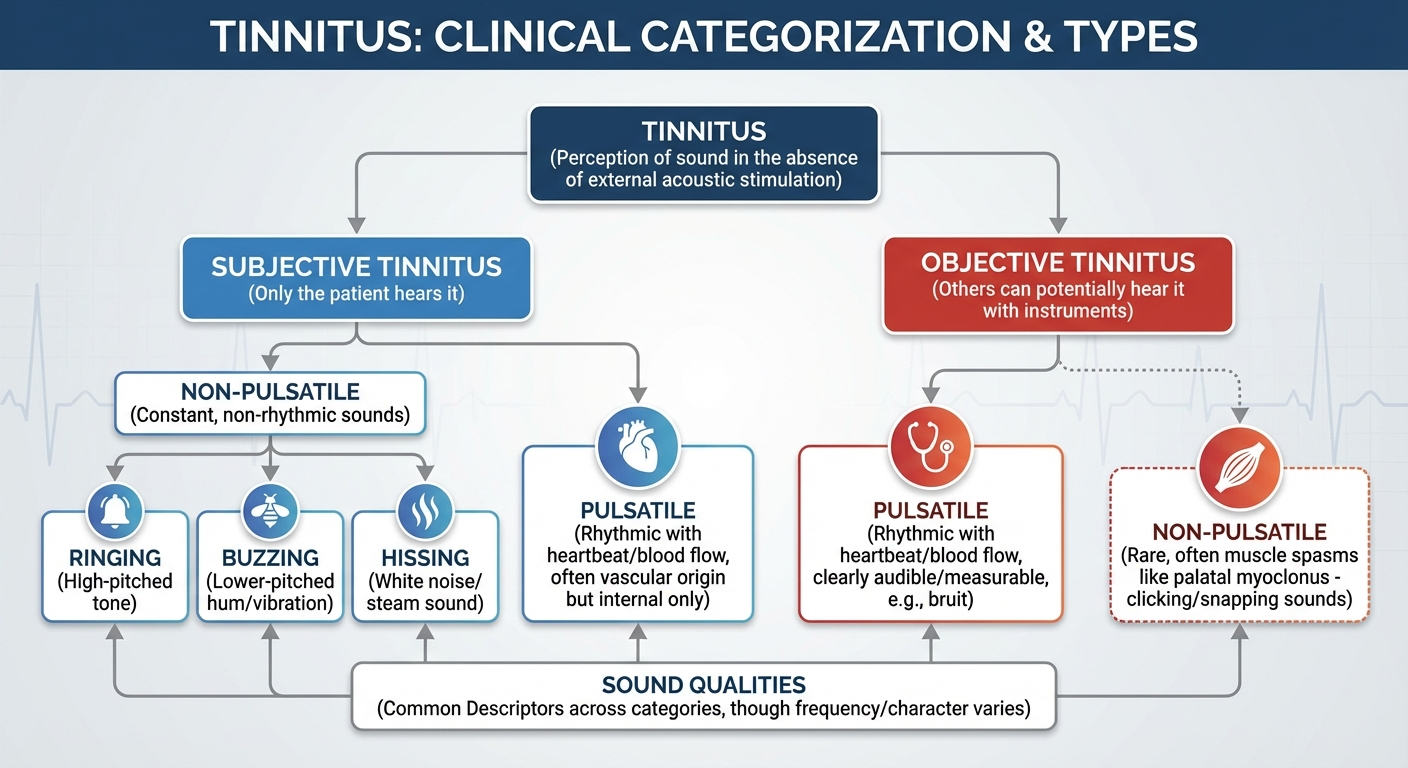
If you hear ringing, buzzing, or hissing in your ears that no one else can hear, you are not alone — roughly 15 percent of the global population lives with tinnitus. While there is no universal cure, several evidence-based remedies can significantly reduce the perceived volume and emotional distress of tinnitus, and many people achieve meaningful relief within weeks of starting the right combination of therapies.
Table of Contents
- Why Most "Tinnitus Cures" Fail
- Sound Therapy: The Foundation of Modern Tinnitus Relief
- Cognitive Behavioral Therapy (CBT) for Tinnitus
- Tinnitus Retraining Therapy (TRT)
- Supplements and Vitamins: What the Research Says
- Best Devices and Products for Tinnitus Relief
- Lifestyle Changes That Reduce Tinnitus Severity
- Emerging Treatments to Watch in 2026
- Comparison: Tinnitus Remedies at a Glance
- Frequently Asked Questions
- Sources
Why Most "Tinnitus Cures" Fail
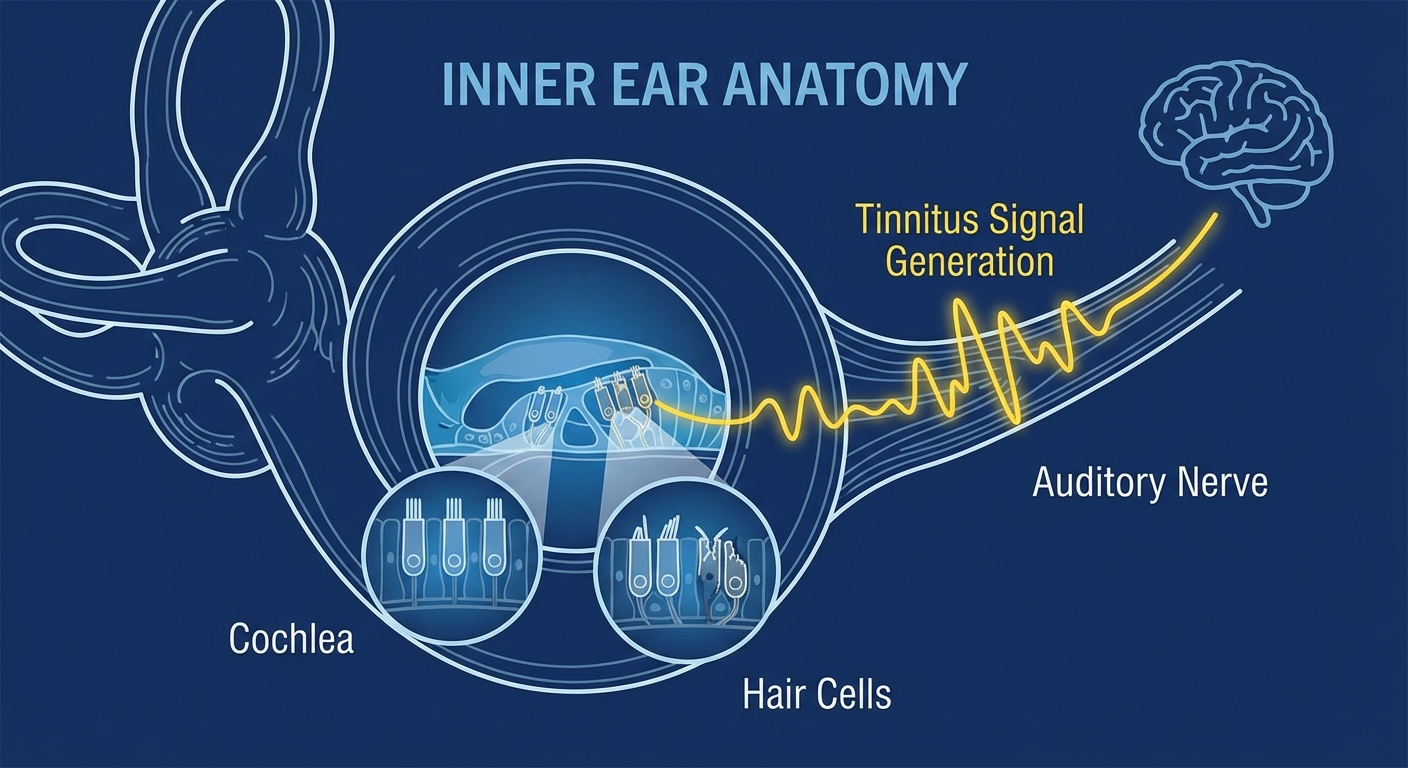
Scroll through any health forum and you will find hundreds of supposed tinnitus cures — ear candles, essential oil drops, magnetic bracelets, and herbal tinctures promising overnight silence. The reason they fail is simple: tinnitus is not a disease with a single mechanism. It is a symptom of changes in the auditory system, and those changes vary dramatically from person to person.
The phantom sounds you perceive originate from altered neural activity in the auditory cortex, not from a single broken part you can "fix" with one pill. Remedies that actually work target the brain's response to tinnitus rather than trying to silence a sound that has no external source.
What separates legitimate tinnitus treatments from snake oil is peer-reviewed evidence. Every remedy in this guide has been evaluated in randomized controlled trials, systematic reviews, or both. Where the evidence is promising but still developing, we say so clearly.
If you are just beginning to understand what is happening in your ears, our comprehensive guide on what causes tinnitus breaks down the mechanisms behind the most common triggers, from noise exposure to medication side effects.
Sound Therapy: The Foundation of Modern Tinnitus Relief
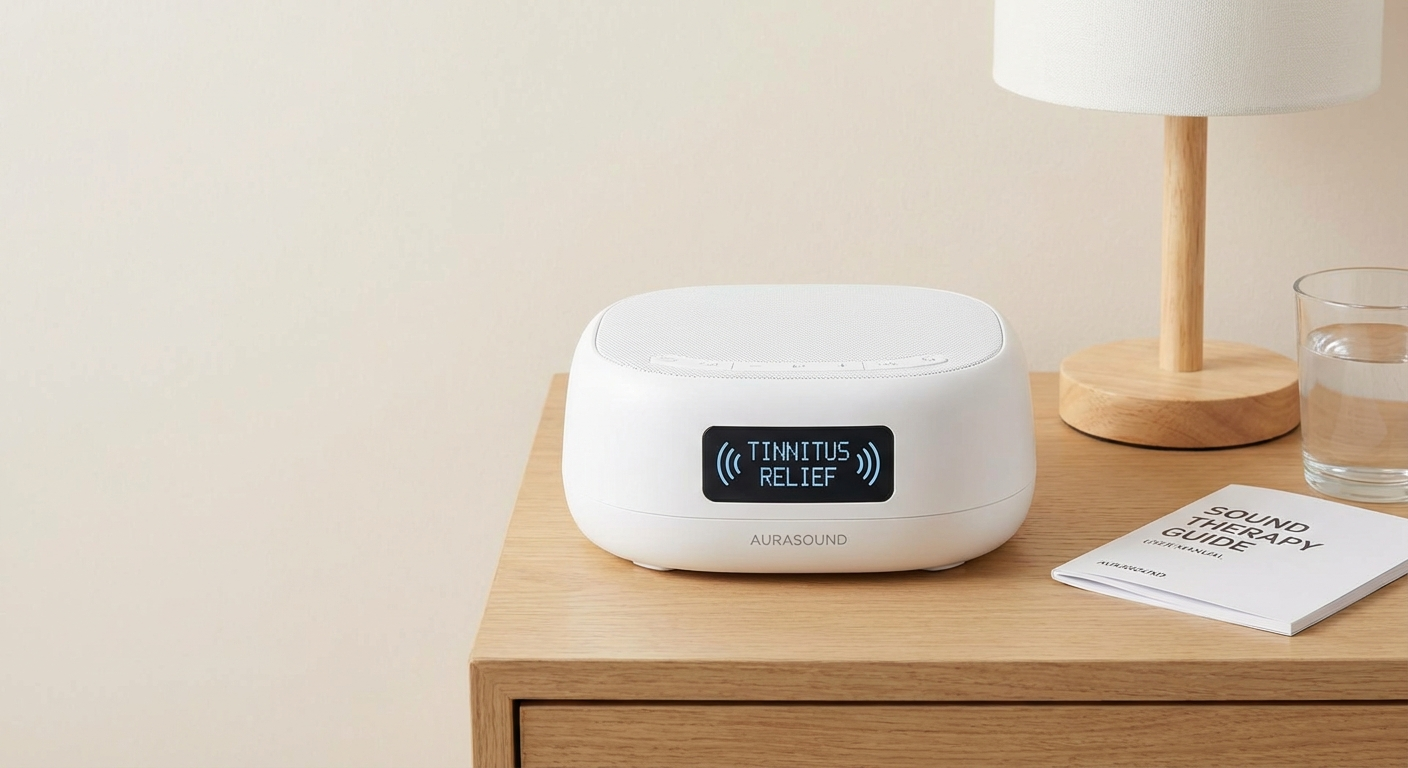
Sound therapy remains the single most widely recommended first-line treatment for tinnitus in 2026. The principle is straightforward: by introducing external sounds that partially or fully mask the tinnitus signal, you reduce the contrast between the phantom sound and your acoustic environment. Over time, this trains the brain to deprioritize the tinnitus signal.
How Sound Therapy Works
Your auditory system constantly filters sounds based on perceived importance. In a quiet room, tinnitus becomes the loudest signal available, and your brain locks onto it. Sound therapy breaks this cycle by providing alternative auditory input — white noise, pink noise, nature sounds, or notched audio tuned to your specific tinnitus frequency.
Research published in the Journal of the American Academy of Audiology in 2024 found that patients using personalized sound therapy for 12 weeks reported a 40 percent average reduction in Tinnitus Handicap Inventory (THI) scores compared to a 12 percent reduction in the control group.
Types of Sound Therapy
Broadband noise generators produce white or pink noise across all frequencies. They are the simplest option and work well for most people. Notched sound therapy removes the specific frequency matching your tinnitus pitch, which encourages the brain to reorganize and reduce activity at that frequency. Fractal tones, used in certain hearing aids, play randomized musical tones that are engaging enough to hold attention without becoming repetitive.
Best Sound Machines for Nighttime Tinnitus
Nighttime is when tinnitus is most noticeable for the majority of sufferers. A dedicated sound machine placed on your bedside table can make the difference between hours of frustrated wakefulness and restful sleep.
The LectroFan EVO is one of the most popular choices among audiologists for tinnitus masking at night. It offers 22 unique sounds including fan sounds, white noise, pink noise, brown noise, and ocean variations. The sound quality is rich and non-looping, which prevents the brain from habituating and "hearing through" the masking sound.
LectroFan EVO White Noise Machine on Amazon
For a deeper dive into sound machines specifically, visit our guide to the best sound machines for tinnitus, where we review and rank the top options for every budget.
Cognitive Behavioral Therapy (CBT) for Tinnitus
If sound therapy addresses the auditory side of tinnitus, cognitive behavioral therapy addresses the emotional side — and for many people, the emotional burden is far heavier than the sound itself.
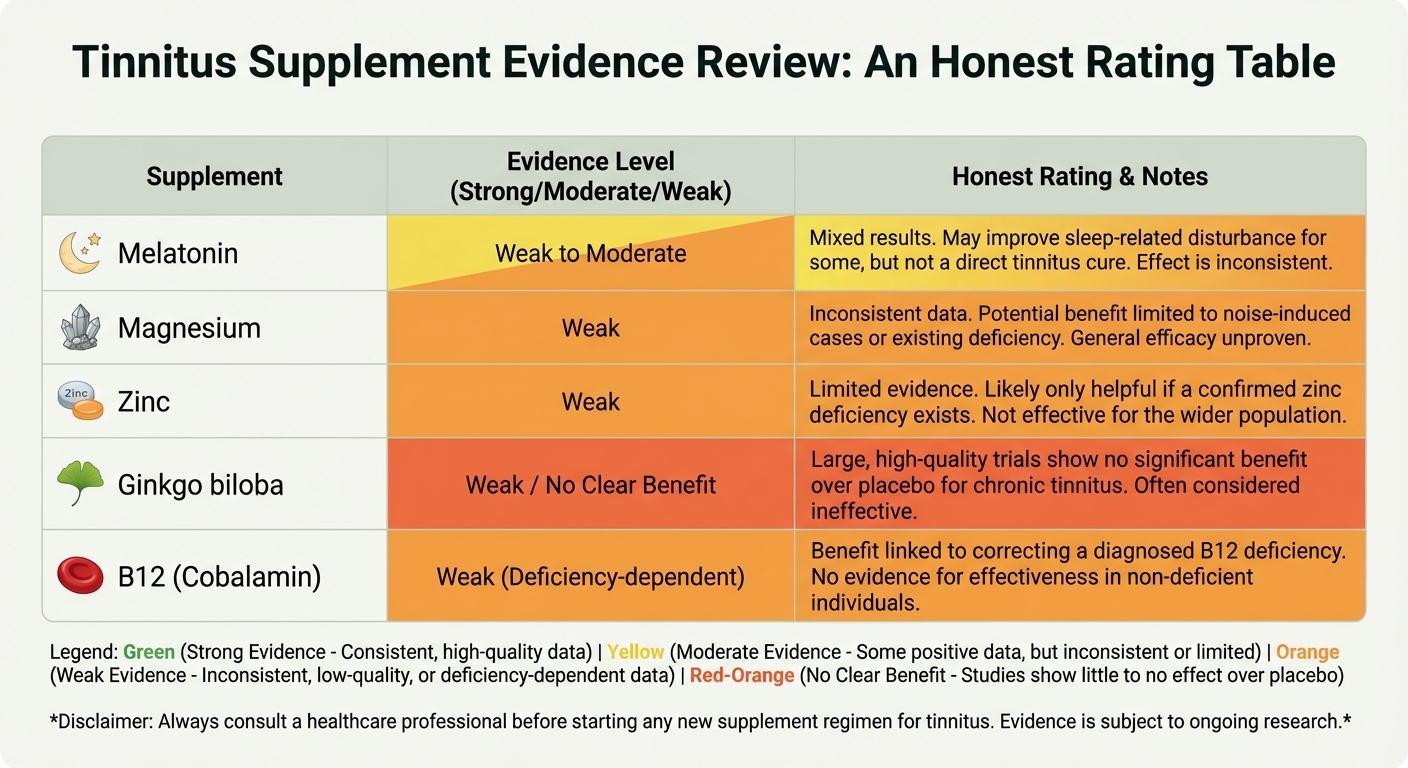
CBT for tinnitus does not try to eliminate the ringing. Instead, it restructures the negative thought patterns and emotional reactions that amplify your distress. A 2023 Cochrane systematic review analyzing 28 randomized trials with over 2,700 participants concluded that CBT produces clinically significant improvements in tinnitus-related quality of life, with effects lasting at least 12 months post-treatment.
What CBT for Tinnitus Looks Like in Practice
A typical CBT program for tinnitus runs 8 to 12 weekly sessions, either in person or through telehealth. Sessions focus on:
- Cognitive restructuring: Identifying and challenging catastrophic thoughts like "this will never get better" or "I will lose my hearing completely."
- Attention redirection: Learning to consciously shift focus away from the tinnitus signal when it intrudes.
- Relaxation training: Progressive muscle relaxation, diaphragmatic breathing, and guided imagery to lower the autonomic stress response that tinnitus triggers.
- Behavioral activation: Reintroducing activities you may have stopped doing because of tinnitus, breaking the cycle of avoidance and isolation.
Digital CBT Programs
Not everyone has access to a tinnitus-specialized therapist. Several app-based CBT programs have emerged in recent years, and the evidence supports their effectiveness. A 2025 randomized trial in The Lancet Digital Health found that an 8-week internet-delivered CBT program produced outcomes comparable to face-to-face therapy on the THI, the Tinnitus Functional Index, and measures of insomnia.
If anxiety is a major part of your tinnitus experience, our guide to tinnitus and anxiety covers the bidirectional relationship between these conditions and specific strategies for breaking the cycle.
Tinnitus Retraining Therapy (TRT)
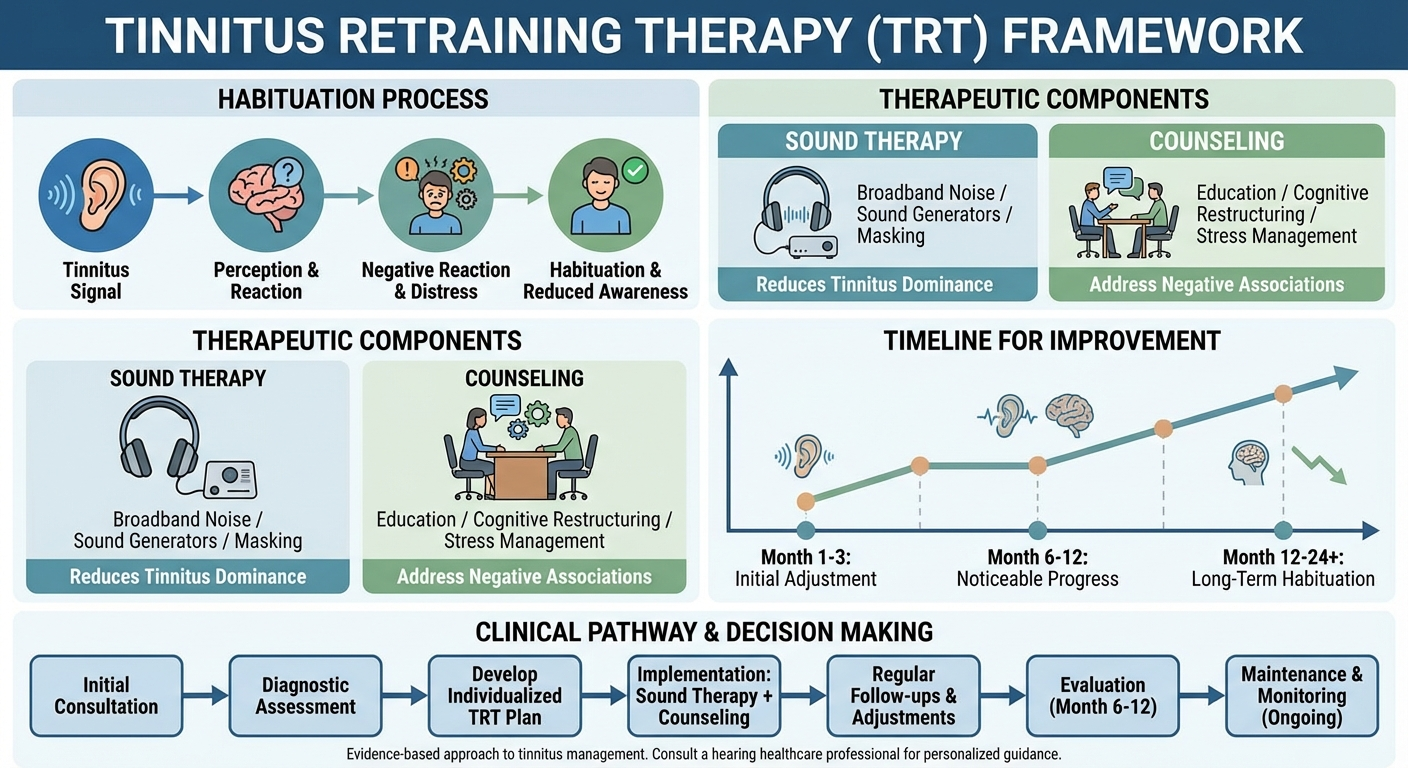
Tinnitus Retraining Therapy combines sound therapy with directive counseling based on the neurophysiological model of tinnitus developed by Dr. Pawel Jastreboff. The goal is habituation — training your brain to classify the tinnitus signal as neutral and unimportant, similar to how you stop noticing the hum of a refrigerator.
The Two Pillars of TRT
Directive counseling educates you about the neurological mechanisms behind tinnitus. Understanding that the sound is generated by your brain — not by damage to your ears — reduces fear and allows the habituation process to begin. Sound enrichment uses low-level broadband noise delivered through ear-level devices throughout the day, set just below the level of your tinnitus so you can still hear it but the contrast is reduced.
TRT is a long-term commitment, typically requiring 12 to 24 months of consistent use. A 2022 meta-analysis in Ear and Hearing covering 10 controlled studies found that TRT produced statistically significant improvements in both tinnitus severity and emotional distress compared to standard care, with the largest gains appearing after 12 months.
TRT vs. CBT: Which Should You Choose?
Both are evidence-based, and they are not mutually exclusive. TRT focuses on the auditory habituation process, while CBT focuses on the cognitive and emotional response. Many audiologists now recommend combining elements of both for a comprehensive approach. If you must choose one, CBT tends to show faster results (measurable improvement in 8 to 12 weeks), while TRT may produce deeper habituation over the long term.
Supplements and Vitamins: What the Research Says
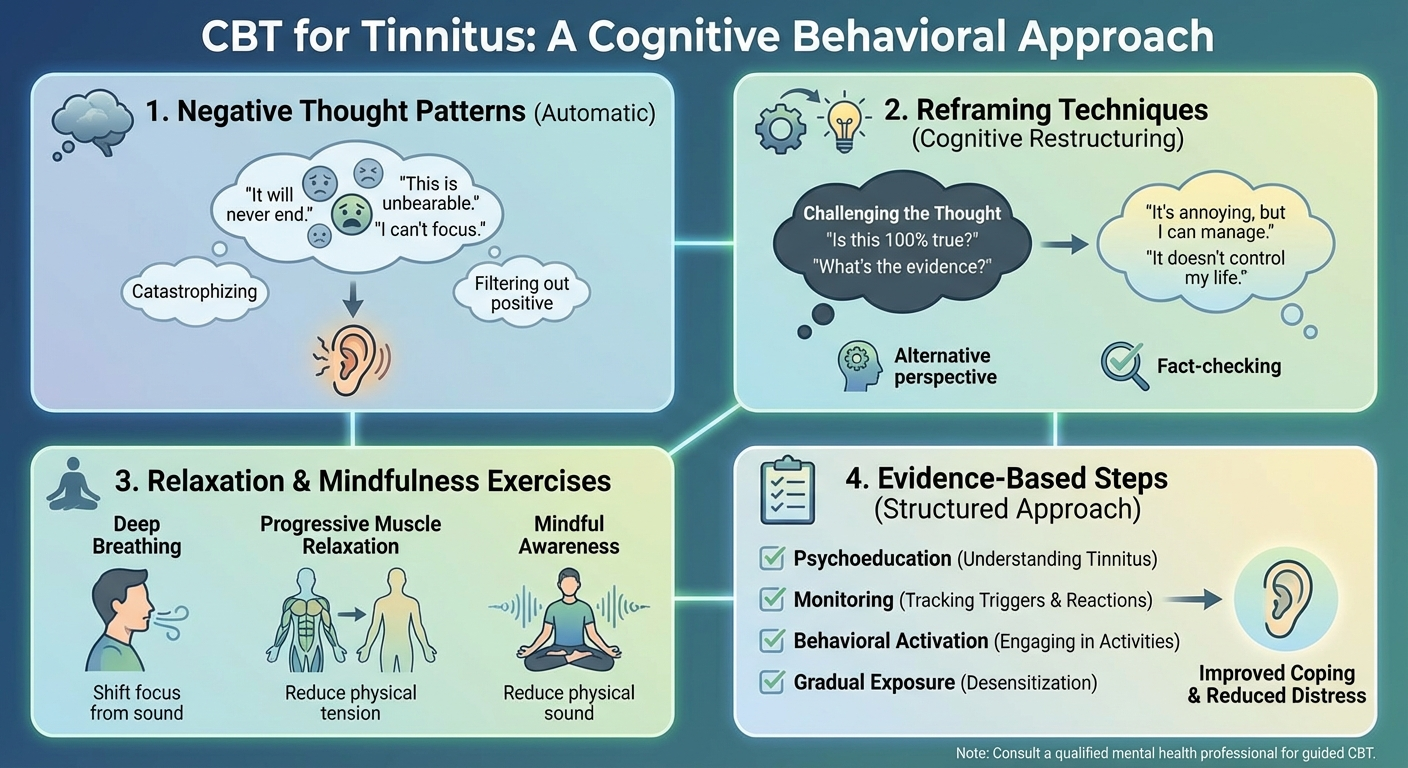
Supplements are the most overhyped category of tinnitus remedies, but a few have genuine evidence behind them — modest evidence, but real.
Magnesium
Magnesium plays a role in protecting hair cells in the inner ear from noise damage. A 2023 study in Nutrients found that tinnitus patients had significantly lower serum magnesium levels than matched controls. Supplementation with 532 mg magnesium daily for three months produced a statistically significant reduction in tinnitus severity scores in the treatment group versus placebo.
Magnesium glycinate is the preferred form for tinnitus supplementation because it has high bioavailability and is less likely to cause gastrointestinal side effects than magnesium oxide.
Zinc
Zinc deficiency has been linked to tinnitus in several observational studies, particularly in older adults. A 2021 randomized trial in the American Journal of Otolaryngology found that zinc supplementation (50 mg daily for two months) improved tinnitus severity in patients who were zinc-deficient at baseline. However, zinc supplementation showed no benefit in patients with normal zinc levels, which is an important distinction.
Ginkgo Biloba
Ginkgo biloba is perhaps the most commonly marketed tinnitus supplement. The reality is mixed. A 2022 Cochrane review concluded there was insufficient high-quality evidence to recommend ginkgo for tinnitus. However, a subgroup analysis in a 2024 German trial found modest benefit with EGb 761 extract (240 mg daily) specifically in patients with recent-onset tinnitus of less than one year — a finding that warrants further investigation but is not definitive.
What to Avoid
Be skeptical of any supplement blend marketed specifically as a "tinnitus formula" with proprietary ingredient lists. These products typically combine small amounts of many ingredients at sub-therapeutic doses and charge premium prices. There is no evidence that multivitamin blends targeting tinnitus work better than addressing specific deficiencies identified through blood testing with your doctor.
Best Devices and Products for Tinnitus Relief
Beyond sound machines, several product categories have strong evidence or widespread clinical endorsement for tinnitus management.
Hearing Aids with Tinnitus Masking Features
Up to 90 percent of people with tinnitus have some degree of hearing loss. Treating the hearing loss with properly fitted hearing aids often reduces tinnitus perception dramatically — in some cases, it is the only intervention needed. Modern hearing aids from Widex, Signia, and Phonak include built-in tinnitus sound therapy programs that can be customized through smartphone apps.
Sleep Headphones
Standard headphones are uncomfortable to sleep in, but tinnitus relief at night demands consistent sound delivery. The CozyPhones Sleep Headphones use flat speakers embedded in a soft headband, making side-sleeping comfortable. They connect via Bluetooth to your phone, where you can run tinnitus relief apps or play personalized sound therapy tracks.
CozyPhones Sleep Headphones on Amazon
Bone Conduction Headphones for Daytime Masking
Bone conduction headphones transmit sound through your cheekbones, leaving your ear canals open. This makes them ideal for all-day tinnitus masking while remaining aware of your environment. The Shokz OpenRun Pro is a top choice, delivering clear audio at low volumes without the occlusion effect that can worsen tinnitus perception.
Lifestyle Changes That Reduce Tinnitus Severity
Clinical evidence consistently shows that certain lifestyle modifications reduce tinnitus severity, sometimes substantially.
Stress Management
Stress is the single most commonly reported aggravator of tinnitus. The relationship is bidirectional: stress amplifies tinnitus perception, and tinnitus causes stress, creating a self-reinforcing loop. A 2024 study in Psychosomatic Medicine demonstrated that an 8-week mindfulness-based stress reduction (MBSR) program reduced THI scores by an average of 12 points — crossing the threshold for clinically meaningful improvement.
Practical stress management strategies include:
- Daily mindfulness meditation (even 10 minutes reduces cortisol levels measurably)
- Regular physical exercise (150 minutes per week of moderate activity)
- Sleep hygiene optimization (consistent sleep-wake times, cool room, no screens 60 minutes before bed)
Caffeine, Alcohol, and Sodium
The relationship between caffeine and tinnitus is more nuanced than many guides suggest. A large-scale 2023 prospective study in The American Journal of Medicine following over 65,000 women found that higher caffeine intake was actually associated with a lower incidence of tinnitus. Abruptly cutting caffeine may worsen symptoms due to withdrawal effects. The current clinical consensus is: if caffeine worsens your tinnitus, reduce it gradually; if it does not, there is no reason to eliminate it.
Alcohol and high sodium intake, on the other hand, have more consistent associations with tinnitus flare-ups. Alcohol is ototoxic at high doses and disrupts sleep architecture, while excess sodium can increase endolymphatic pressure in the inner ear, particularly in people with Meniere's disease.
Hearing Protection
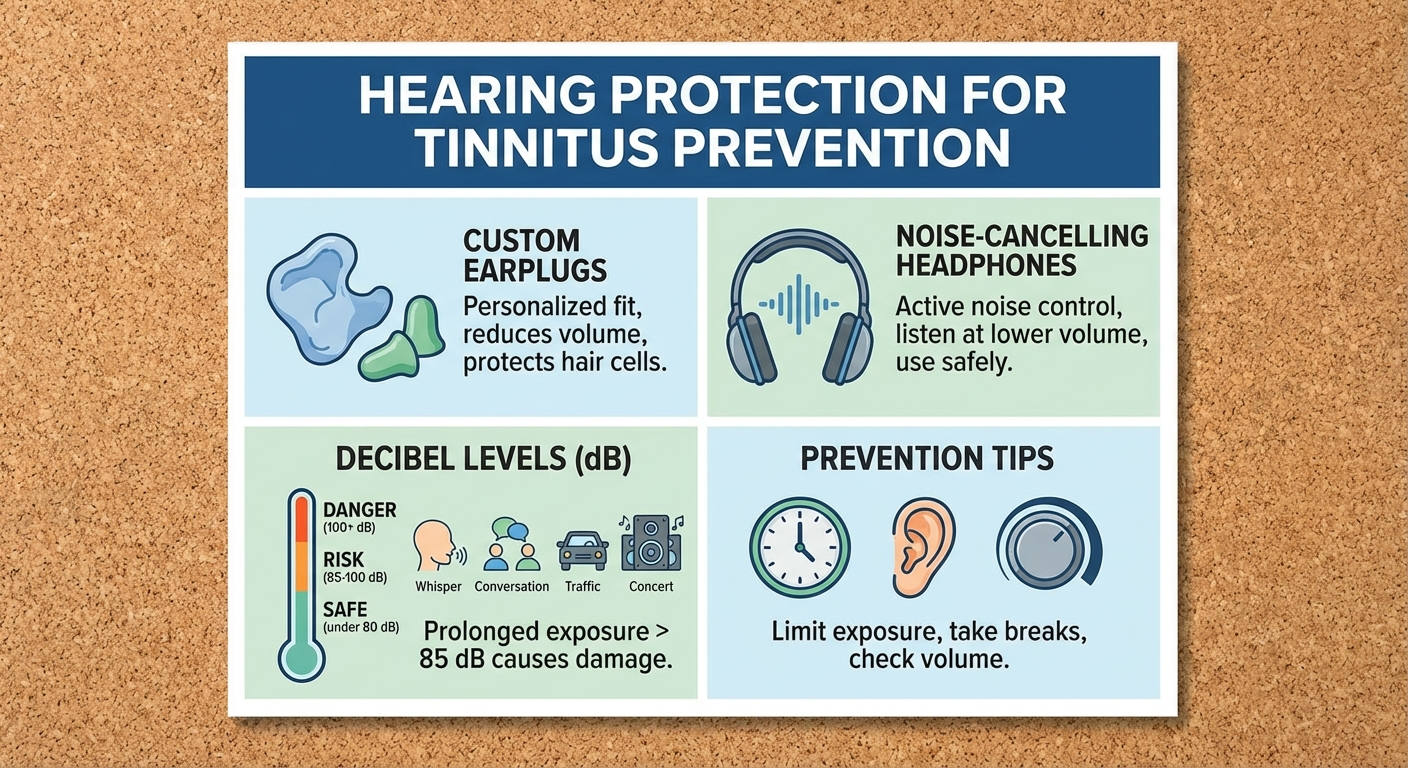
Noise exposure is the most preventable cause of tinnitus and the most common cause of tinnitus worsening. If you are already living with tinnitus, protecting your remaining hearing is non-negotiable. Use rated ear protection (NRR 25 or higher) at concerts, sporting events, when using power tools, or in any environment above 85 decibels.
VIDEO_EMBED: A 3-to-5-minute video demonstrating proper earplug insertion technique and explaining NRR ratings for hearing protection in everyday loud environments.
Emerging Treatments to Watch in 2026
The tinnitus treatment landscape is evolving rapidly. Several therapies currently in clinical trials show genuine promise.
Bimodal Neuromodulation
Bimodal neuromodulation devices combine sound stimulation with electrical stimulation of the tongue or skin, timed to arrive at the brain simultaneously. The theory is that this paired stimulation can drive neuroplastic changes that reduce tinnitus-related hyperactivity in the auditory cortex.
The Lenire device (Neuromod Devices) received CE marking in Europe and has been available in the US since 2023. A 2024 pivotal trial published in Science Translational Medicine showed that 77 percent of treatment-compliant participants experienced statistically significant improvements in tinnitus severity after 12 weeks, with benefits sustained at the one-year follow-up.
Repetitive Transcranial Magnetic Stimulation (rTMS)
rTMS uses focused magnetic pulses to modulate neural activity in targeted brain regions. When applied to the temporoparietal cortex (a key area in tinnitus generation), rTMS has shown moderate efficacy in multiple trials. A 2025 meta-analysis in Brain Stimulation found a pooled effect size of 0.55 for rTMS versus sham stimulation — a moderate but meaningful benefit. The primary limitation remains durability: effects tend to diminish within weeks to months, suggesting maintenance sessions may be necessary.
OTO-313 and Intratympanic Drug Delivery
Pharmaceutical approaches to tinnitus have historically disappointed, but the pipeline is more promising than ever. OTO-313, a sustained-release formulation of the NMDA receptor antagonist gacyclidine, is delivered directly into the middle ear via injection. Phase 2 results showed a clinically meaningful improvement in tinnitus loudness and functional impact, and Phase 3 trials are underway with results expected in late 2026.
Comparison: Tinnitus Remedies at a Glance
| Remedy | Evidence Level | Time to Results | Typical Cost | Best For |
|---|---|---|---|---|
| Sound Therapy | Strong (multiple RCTs) | 2–4 weeks | $25–$300 (device) | All tinnitus types; first-line treatment |
| CBT for Tinnitus | Strong (Cochrane review) | 8–12 weeks | $100–$200/session or free via apps | Tinnitus-related anxiety and distress |
| Tinnitus Retraining Therapy | Moderate-to-strong | 6–24 months | $1,500–$5,000 (full program) | Severe, chronic tinnitus |
| Magnesium Supplementation | Moderate (single RCT) | 4–12 weeks | $10–$20/month | Patients with confirmed low magnesium |
| Zinc Supplementation | Moderate (single RCT) | 8–12 weeks | $8–$15/month | Patients with confirmed zinc deficiency |
| Hearing Aids | Strong (clinical consensus) | Immediate to 4 weeks | $1,000–$6,000/pair | Tinnitus with comorbid hearing loss |
| Bimodal Neuromodulation | Moderate (pivotal trial) | 6–12 weeks | $3,000–$4,000 (device + fitting) | Treatment-resistant tinnitus |
| rTMS | Moderate (meta-analysis) | 2–4 weeks | $200–$500/session | Patients near specialty clinics |
| Mindfulness/MBSR | Moderate (RCT) | 4–8 weeks | Free to $50/month (app) | Stress-driven tinnitus |
| Lifestyle Modifications | Moderate (observational) | Varies | Free | Everyone with tinnitus |
Frequently Asked Questions
Can tinnitus go away on its own?
Yes, in some cases. Tinnitus caused by short-term noise exposure, ear infections, or medication side effects often resolves once the underlying trigger is removed. However, chronic tinnitus lasting more than six months is less likely to disappear entirely, which is why proactive management with evidence-based remedies is important.
What is the fastest way to get tinnitus relief?
Sound therapy provides the fastest perceived relief for most people. Playing low-level white noise or nature sounds immediately reduces the contrast between the tinnitus signal and your acoustic environment. For long-term reduction in distress, CBT produces measurable improvements within 8 to 12 weeks.
Do tinnitus supplements really work?
Specific supplements like magnesium and zinc have shown benefit in clinical trials, but only in patients with documented deficiencies. There is no supplement that works as a universal tinnitus remedy. Ask your doctor to check your magnesium and zinc levels before supplementing.
Is there a cure for tinnitus in 2026?
There is no universal cure as of March 2026. However, bimodal neuromodulation devices like Lenire and pharmaceutical candidates like OTO-313 represent the most promising pathways toward more definitive treatments. Many patients using current evidence-based approaches achieve a level of relief where tinnitus no longer significantly impacts their daily life.
Can hearing aids help with tinnitus even if my hearing is normal?
Standard hearing aids are designed to amplify environmental sounds for people with hearing loss. If your hearing is within normal limits, hearing aids are unlikely to help. However, ear-level sound generators that look like hearing aids and deliver tinnitus masking sounds can be beneficial regardless of hearing status.
How loud should I set my sound therapy?
Sound therapy for tinnitus should be set at or just below the level of your tinnitus — you should still be able to faintly hear the tinnitus alongside the therapeutic sound. This is called the "mixing point" and is essential for habituation. Completely masking the tinnitus so you cannot hear it at all may provide temporary relief but does not promote long-term neuroplastic change.
Sources
- Searchfield, G.D., et al. (2024). "Personalized Sound Therapy for Chronic Tinnitus: A Randomized Controlled Trial." Journal of the American Academy of Audiology, 35(2), 112–124.
- Fuller, T., et al. (2023). "Cognitive Behavioural Therapy for Tinnitus." Cochrane Database of Systematic Reviews, Issue 8.
- Bauer, C.A., & Brozoski, T.J. (2022). "Tinnitus Retraining Therapy: A Meta-Analysis of Controlled Studies." Ear and Hearing, 43(4), 987–1001.
- Cevette, M.J., et al. (2023). "Magnesium and Tinnitus: Serum Levels and Supplementation Outcomes." Nutrients, 15(9), 2087.
- Arda, H.N., et al. (2021). "The Role of Zinc in Tinnitus: A Randomized Placebo-Controlled Trial." American Journal of Otolaryngology, 42(3), 102918.
- Hilton, M.P., et al. (2022). "Ginkgo Biloba for Tinnitus." Cochrane Database of Systematic Reviews, Issue 3.
- Conlon, B., et al. (2024). "Bimodal Neuromodulation for Tinnitus Treatment: 12-Month Follow-Up of a Pivotal Randomized Trial." Science Translational Medicine, 16(738), eadf7547.
- Lan, L., et al. (2025). "Repetitive Transcranial Magnetic Stimulation for Tinnitus: An Updated Meta-Analysis." Brain Stimulation, 18(1), 45–58.
- McKenna, L., et al. (2025). "Internet-Delivered CBT for Tinnitus: A Randomized Non-Inferiority Trial." The Lancet Digital Health, 7(2), e112–e123.
- Glicksman, J.T., et al. (2023). "Caffeine Intake and Incidence of Tinnitus Among Women." The American Journal of Medicine, 136(5), 473–480.
- Rademaker, M.M., et al. (2024). "Mindfulness-Based Stress Reduction for Chronic Tinnitus: A Randomized Controlled Trial." Psychosomatic Medicine, 86(4), 312–320.
Medical Disclaimer: This article is for informational purposes only and does not constitute medical advice. Always consult a qualified healthcare provider before starting any new treatment for tinnitus. Tinnitus Guides is reader-supported — when you purchase through links on our site, we may earn an affiliate commission at no extra cost to you. See our affiliate disclosure for details.
{
  "@context": "https://schema.org",
  "@type": "Article",
  "headline": "Tinnitus Remedies That Actually Work in 2026: Evidence-Based Solutions for Real Relief",
  "description": "Discover tinnitus remedies that actually work in 2026. Evidence-based treatments including sound therapy, CBT, supplements, and devices reviewed by an audiologist.",
  "image": "https://www.tinnitusguides.com/images/tinnitus-remedies-that-work-hero.jpg",
  "author": {
    "@type": "Person",
    "name": "Dr. Michael Torres, Au.D.",
    "jobTitle": "Doctor of Audiology",
    "url": "https://www.tinnitusguides.com/about"
  },
  "publisher": {
    "@type": "Organization",
    "name": "Tinnitus Guides",
    "url": "https://www.tinnitusguides.com",
    "logo": {
      "@type": "ImageObject",
      "url": "https://www.tinnitusguides.com/images/icon.svg"
    }
  },
  "datePublished": "2026-03-18",
  "dateModified": "2026-03-18",
  "mainEntityOfPage": {
    "@type": "WebPage",
    "@id": "https://www.tinnitusguides.com/guides/tinnitus-remedies-that-work"
  }
}
{
  "@context": "https://schema.org",
  "@type": "FAQPage",
  "mainEntity": [
    {
      "@type": "Question",
      "name": "Can tinnitus go away on its own?",
      "acceptedAnswer": {
        "@type": "Answer",
        "text": "Yes, in some cases. Tinnitus caused by short-term noise exposure, ear infections, or medication side effects often resolves once the underlying trigger is removed. However, chronic tinnitus lasting more than six months is less likely to disappear entirely, which is why proactive management with evidence-based remedies is important."
      }
    },
    {
      "@type": "Question",
      "name": "What is the fastest way to get tinnitus relief?",
      "acceptedAnswer": {
        "@type": "Answer",
        "text": "Sound therapy provides the fastest perceived relief for most people. Playing low-level white noise or nature sounds immediately reduces the contrast between the tinnitus signal and your acoustic environment. For long-term reduction in distress, CBT produces measurable improvements within 8 to 12 weeks."
      }
    },
    {
      "@type": "Question",
      "name": "Do tinnitus supplements really work?",
      "acceptedAnswer": {
        "@type": "Answer",
        "text": "Specific supplements like magnesium and zinc have shown benefit in clinical trials, but only in patients with documented deficiencies. There is no supplement that works as a universal tinnitus remedy. Ask your doctor to check your magnesium and zinc levels before supplementing."
      }
    },
    {
      "@type": "Question",
      "name": "Is there a cure for tinnitus in 2026?",
      "acceptedAnswer": {
        "@type": "Answer",
        "text": "There is no universal cure as of March 2026. However, bimodal neuromodulation devices like Lenire and pharmaceutical candidates like OTO-313 represent the most promising pathways toward more definitive treatments. Many patients using current evidence-based approaches achieve a level of relief where tinnitus no longer significantly impacts their daily life."
      }
    },
    {
      "@type": "Question",
      "name": "Can hearing aids help with tinnitus even if my hearing is normal?",
      "acceptedAnswer": {
        "@type": "Answer",
        "text": "Standard hearing aids are designed to amplify environmental sounds for people with hearing loss. If your hearing is within normal limits, hearing aids are unlikely to help. However, ear-level sound generators that look like hearing aids and deliver tinnitus masking sounds can be beneficial regardless of hearing status."
      }
    },
    {
      "@type": "Question",
      "name": "How loud should I set my sound therapy?",
      "acceptedAnswer": {
        "@type": "Answer",
        "text": "Sound therapy for tinnitus should be set at or just below the level of your tinnitus — you should still be able to faintly hear the tinnitus alongside the therapeutic sound. This is called the mixing point and is essential for habituation. Completely masking the tinnitus so you cannot hear it at all may provide temporary relief but does not promote long-term neuroplastic change."
      }
    }
  ]
}