Guide
What Causes Tinnitus? Complete Guide to Triggers
By Dr. Michael Torres, Audiologist & Tinnitus Specialist · Updated 2026-03-10
By Dr. Michael Torres, Au.D. | Last updated: March 2026
Tinnitus — that persistent ringing, buzzing, or hissing in your ears — affects roughly 15 to 20 percent of the population, according to the Mayo Clinic. So what causes tinnitus? In most cases, it stems from damage to the inner ear hair cells, but dozens of underlying factors can trigger or worsen the condition, ranging from noise exposure and hearing loss to certain medications, stress, and even earwax buildup. Understanding your specific cause is the first step toward finding relief.
If you are reading this, chances are you already know how exhausting tinnitus can be. The sound that no one else can hear. The way it creeps into quiet moments and steals your peace. You are not imagining it, and you are certainly not alone. At TinnitusGuides, we believe that knowledge is the foundation of managing tinnitus effectively — and this guide is designed to give you exactly that.
Let us walk through everything we know about what causes tinnitus, the different types, the risk factors that increase your chances, and when it is time to talk to a specialist.
 Hero visual for this section
Table of Contents
 Comparison visual for Table of Contents
- How Tinnitus Works: A Quick Overview
- Common Causes of Tinnitus
- Table of Common Causes
- Ototoxic Medications That Can Cause Tinnitus
- Types of Tinnitus
- Tinnitus Triggers vs. Causes
- Risk Factors for Developing Tinnitus
- When to See a Doctor
- How to Protect Your Ears Starting Today
- Frequently Asked Questions
- Sources
How Tinnitus Works: A Quick Overview
 Infographic visual for How Tinnitus Works: A Quick Overview
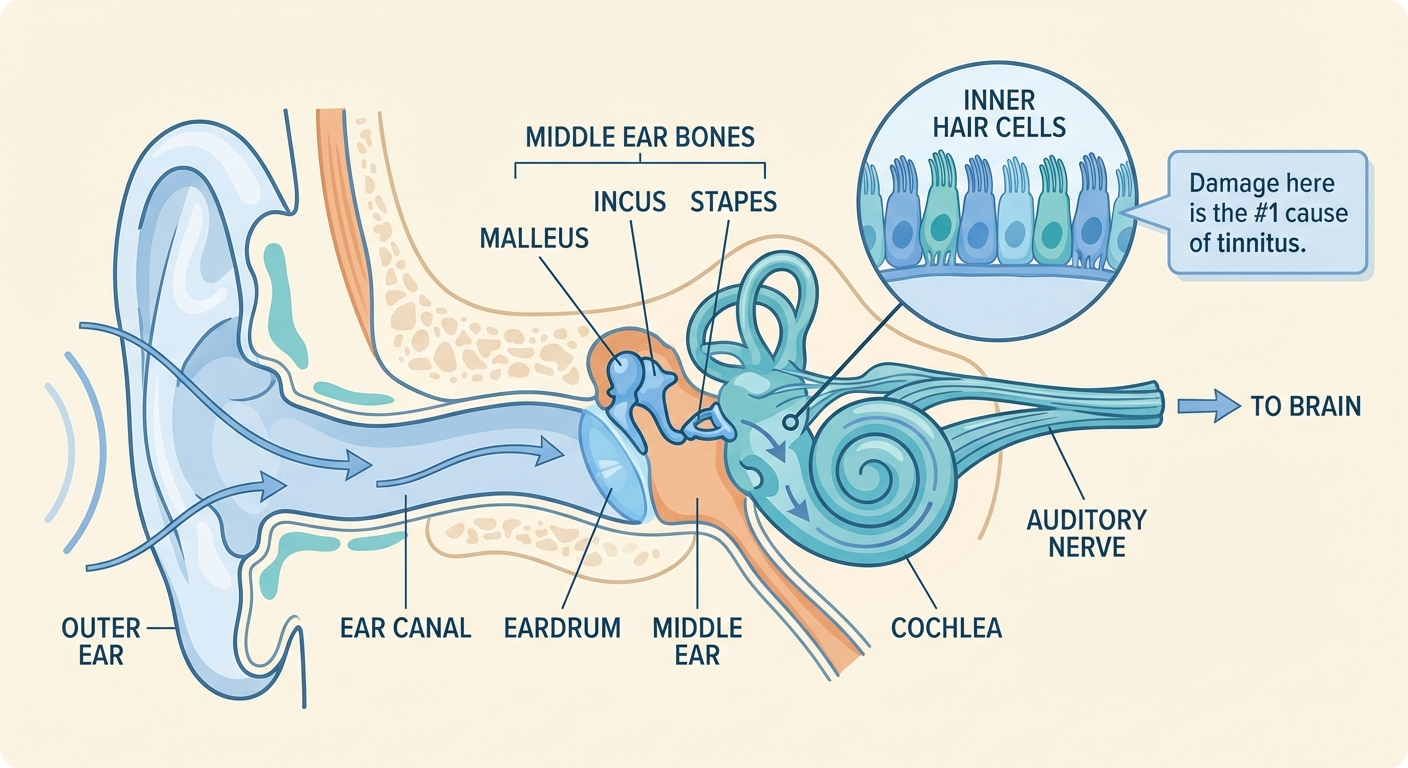
Before we dive into the causes, it helps to understand the basic mechanics. Tinnitus is not a disease — it is a symptom. Something is happening in your auditory system that causes your brain to perceive sound when no external sound is present.
Here is the simplified version: tiny hair cells inside your cochlea (the snail-shaped structure in your inner ear) convert sound vibrations into electrical signals. Your auditory nerve carries those signals to your brain, which interprets them as sound. When those hair cells become damaged or when signals get disrupted anywhere along that pathway, your brain may "fill in the gap" by generating its own phantom sound.
Think of it like a radio tuned to a dead station — the static is not coming from the outside world, but the radio is still producing noise.
That is why so many different conditions can cause tinnitus. Anything that affects those hair cells, the auditory nerve, or how the brain processes sound can potentially trigger it.
Common Causes of Tinnitus
 Setup visual for Common Causes of Tinnitus
1. Noise-Induced Hearing Loss
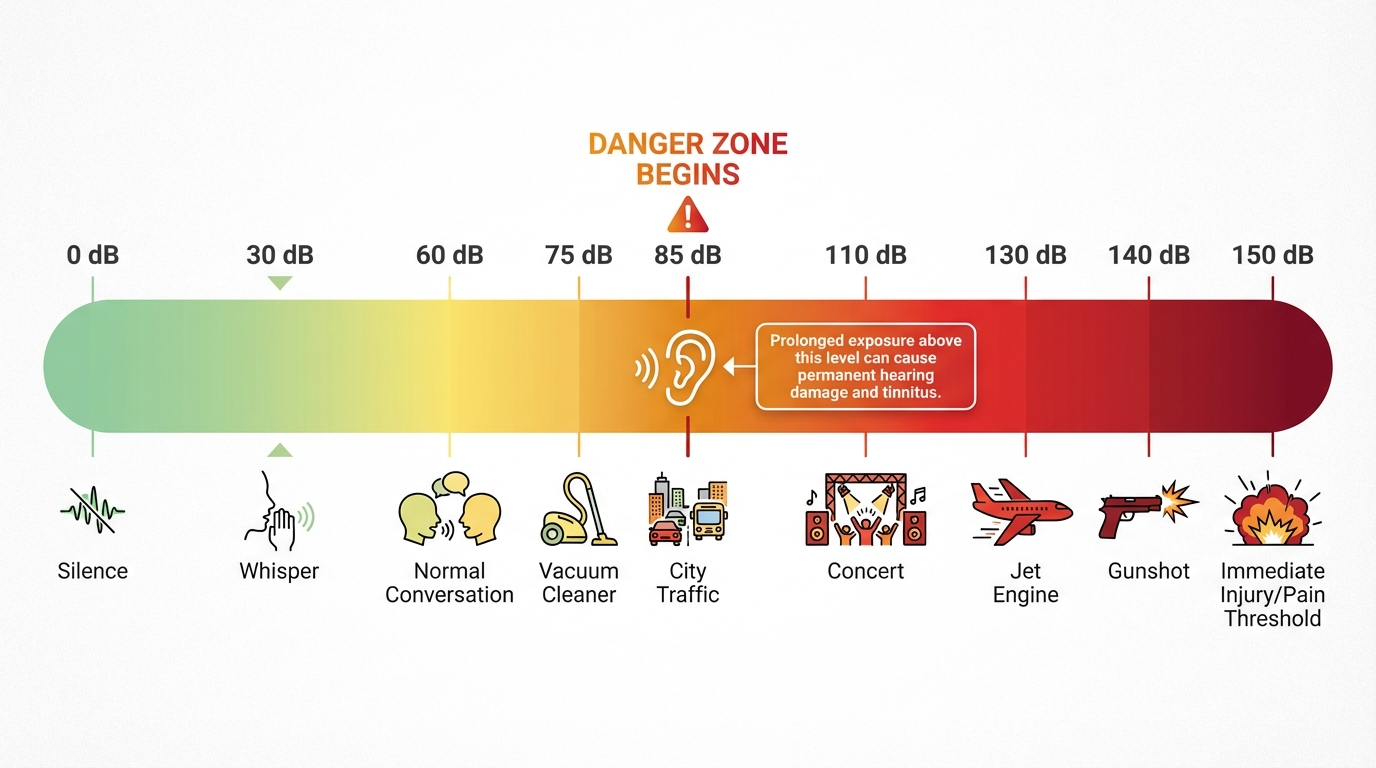
This is the single most common cause of tinnitus. Prolonged exposure to loud noise — whether from concerts, construction work, headphone use, or military service — damages the delicate hair cells in your cochlea. Once damaged, these cells do not regenerate.
According to the National Institute on Deafness and Other Communication Disorders (NIDCD), approximately 10 million adults in the United States have experienced noise-induced hearing loss, and a significant portion of them also report tinnitus.
The danger threshold is lower than most people realize. Any sustained exposure above 85 decibels (roughly the volume of heavy city traffic) can cause permanent damage over time. A single exposure to an extremely loud sound — like a gunshot or explosion — can cause immediate, irreversible harm.
If you attend loud events or work in noisy environments, quality ear protection is not optional — it is essential.
2. Age-Related Hearing Loss (Presbycusis)
As we age, the hair cells in our inner ear naturally deteriorate. This gradual hearing loss — called presbycusis — typically begins around age 60 and often brings tinnitus along with it. According to the NIDCD, approximately one in three people between ages 65 and 74 experiences hearing loss, and nearly half of those over 75 have difficulty hearing.
The connection is straightforward: when your brain receives fewer auditory signals due to hearing loss, it sometimes compensates by amplifying internal neural activity. That amplified activity is what you perceive as tinnitus.
3. Earwax Blockage
Here is the good news buried in an otherwise frustrating list — earwax-related tinnitus is almost always reversible. When excessive earwax builds up and presses against your eardrum, it can cause hearing changes and trigger tinnitus. A simple professional ear cleaning can resolve it entirely.
However, a word of caution: do not attempt to remove impacted earwax at home with cotton swabs. You risk pushing the wax deeper or puncturing your eardrum, which could make everything worse.
4. Stress and Anxiety
Stress does not directly damage your ears, but it can absolutely amplify tinnitus perception. When you are stressed, your nervous system enters a heightened state of alertness. Your brain becomes more sensitive to sensory input — including the phantom signals that produce tinnitus.
Many tinnitus sufferers report a vicious cycle: tinnitus causes stress, and stress makes tinnitus louder. Breaking that cycle is a critical part of management. Cognitive behavioral therapy (CBT), mindfulness meditation, and sound therapy have all shown effectiveness in clinical settings. If you are looking for practical strategies, our guide on tinnitus treatment at home covers evidence-based approaches you can start today.
5. Ear Infections and Sinus Conditions
Middle ear infections (otitis media), sinus infections, and Eustachian tube dysfunction can all cause temporary tinnitus. These conditions create fluid buildup or pressure changes in the ear that disrupt normal sound processing. In most cases, treating the underlying infection resolves the tinnitus.
6. TMJ Disorders
The temporomandibular joint (TMJ) sits right next to your ear canal. Problems with this jaw joint — from grinding your teeth, misalignment, or arthritis — can trigger tinnitus. The connection is partly mechanical (shared nerve pathways) and partly due to muscle tension that affects the middle ear.
7. Head and Neck Injuries
Traumatic brain injuries, whiplash, and other head or neck trauma can damage auditory pathways and trigger tinnitus. This type of tinnitus is often more unpredictable — it may be louder, vary in pitch, or affect only one ear. If your tinnitus started after an injury, it is especially important to see a specialist.
8. Cardiovascular Conditions
High blood pressure, atherosclerosis (hardened arteries), and other cardiovascular issues can cause a specific type of tinnitus called pulsatile tinnitus, where the sound you hear matches your heartbeat. We will cover this in more detail in the types section below.
Table of Common Causes
 Detail visual for Table of Common Causes
| Cause | How It Triggers Tinnitus | Reversible? |
|---|---|---|
| Noise exposure | Damages inner ear hair cells, leading the brain to generate phantom sounds | Usually not — damage is permanent, but tinnitus can be managed |
| Age-related hearing loss | Natural deterioration of cochlear hair cells reduces auditory input, prompting neural compensation | Not reversible, but hearing aids often reduce tinnitus |
| Earwax blockage | Physical pressure on the eardrum disrupts sound transmission | Yes — professional removal typically resolves it |
| Ototoxic medications | Chemicals damage hair cells or alter neural signaling in the auditory system | Sometimes — depends on the drug and duration of use |
| Stress and anxiety | Heightened nervous system activity amplifies tinnitus perception | Yes — stress management can significantly reduce symptoms |
| Ear infections | Fluid buildup and inflammation alter middle ear pressure and sound conduction | Yes — treating the infection usually resolves tinnitus |
| TMJ disorders | Shared nerve pathways between jaw joint and ear cause referred auditory symptoms | Often — treating the TMJ issue can reduce or eliminate tinnitus |
| Head or neck injury | Trauma damages auditory nerves or brain regions involved in sound processing | Variable — depends on injury severity and location |
| High blood pressure | Increased blood flow near the ear creates audible pulsatile sounds | Often — managing blood pressure can reduce pulsatile tinnitus |
| Meniere's disease | Abnormal fluid pressure in the inner ear disrupts both hearing and balance | Partially — episodes can be managed but the condition is chronic |
Ototoxic Medications That Can Cause Tinnitus
 Lifestyle visual for Ototoxic Medications That Can Cause Tinnitus
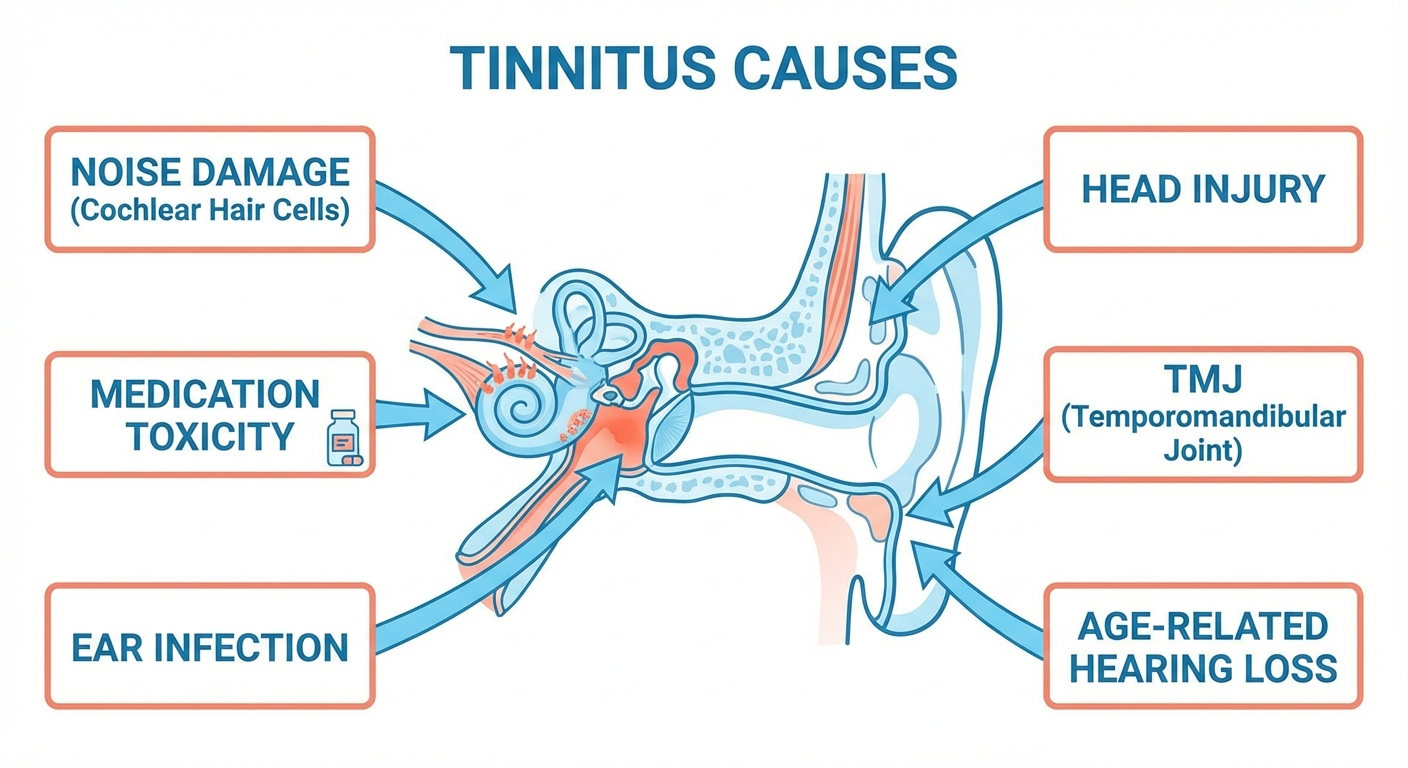
"Ototoxic" means toxic to the ear. More than 200 prescription and over-the-counter medications are known to be potentially ototoxic, according to the American Tinnitus Association (ATA). Some cause temporary tinnitus that resolves when you stop taking the medication. Others can cause permanent damage.
Common Ototoxic Drug Categories
Non-steroidal anti-inflammatory drugs (NSAIDs): Aspirin, ibuprofen, and naproxen can cause tinnitus at high doses. This is usually temporary and dose-dependent. Regular, low-dose aspirin for heart health is generally considered safe, but high-dose aspirin therapy has been well-documented as a tinnitus trigger.
Certain antibiotics: Aminoglycoside antibiotics (gentamicin, streptomycin, neomycin) are among the most ototoxic drugs. They are typically reserved for serious infections where the benefit outweighs the risk. Erythromycin and vancomycin at high doses can also be ototoxic.
Chemotherapy drugs: Cisplatin and carboplatin are known to cause hearing damage and tinnitus in a significant percentage of patients. The ATA estimates that 50 to 80 percent of patients treated with cisplatin experience some degree of hearing loss.
Loop diuretics: Furosemide (Lasix) and other loop diuretics can cause temporary tinnitus, especially when given intravenously or at high doses.
Quinine-based medications: Used to treat malaria and leg cramps, quinine is a well-known tinnitus trigger.
Antidepressants: Some tricyclic antidepressants and SSRIs have been associated with tinnitus as a side effect, though this is less common.
What to Do If You Suspect Your Medication Is Causing Tinnitus
Never stop a prescribed medication on your own. Instead, contact your prescribing physician and describe your symptoms. They can evaluate whether an alternative medication is available or whether dose adjustment is appropriate. Keep a log of when your tinnitus started or worsened relative to starting or changing medications — this information is invaluable for your doctor.
Types of Tinnitus
 Product Lineup visual for Types of Tinnitus
Not all tinnitus is the same. Understanding which type you have can help narrow down the cause and guide treatment decisions.
Subjective Tinnitus
Subjective tinnitus is by far the most common type, accounting for more than 99 percent of all cases. Only you can hear the sound. It can manifest as ringing, buzzing, hissing, clicking, roaring, or humming. The pitch can range from a low rumble to a high-pitched squeal.
Subjective tinnitus is typically caused by problems in the outer, middle, or inner ear, or by issues with the auditory nerves or the part of the brain that interprets nerve signals (the auditory cortex).
Most of the causes we have discussed so far — noise exposure, hearing loss, earwax, medications, stress — produce subjective tinnitus.
Objective Tinnitus
Objective tinnitus is rare. It accounts for less than 1 percent of cases. The key difference is that a doctor can actually hear it during examination, usually with a stethoscope. Objective tinnitus is caused by a physical sound being generated inside your body — typically from blood vessel abnormalities, muscle contractions, or bone conditions in the middle ear.
Because it has a physical, identifiable source, objective tinnitus is often treatable. Causes include:
- Vascular abnormalities: Arteriovenous malformations or turbulent blood flow near the ear
- Muscle spasms: Involuntary contractions of muscles in the middle ear or palate
- Patulous Eustachian tube: An abnormally open Eustachian tube that transmits breathing and voice sounds
Pulsatile Tinnitus
Pulsatile tinnitus deserves special attention because it often has a specific, identifiable — and sometimes serious — underlying cause. If you hear a rhythmic whooshing, thumping, or pulsing sound that matches your heartbeat, you have pulsatile tinnitus.
Common causes include:
- High blood pressure
- Atherosclerosis (narrowing of blood vessels near the ear)
- Head or neck tumors (rare but important to rule out)
- Irregular blood vessel formations
- Anemia or thyroid disorders (which increase blood flow)
Pulsatile tinnitus should always be evaluated by a doctor. While many causes are benign, it can occasionally indicate a vascular condition that requires treatment. Imaging studies like MRI or CT angiography can help identify the source.
Tinnitus Triggers vs. Causes
 Tips visual for Tinnitus Triggers vs. Causes
There is an important distinction between what causes tinnitus and what triggers a flare-up. You may have an underlying cause (such as noise-induced hearing loss) that established your tinnitus, but day-to-day triggers can make it louder or more noticeable.
Common Tinnitus Triggers
- Caffeine and alcohol: Both can increase blood pressure and neural excitability. Some people notice their tinnitus spikes after coffee or a glass of wine, while others are unaffected. Track your own patterns.
- Salt and sodium: Excess sodium can increase fluid retention, including in the inner ear, which may worsen tinnitus — particularly in people with Meniere's disease.
- Lack of sleep: Fatigue amplifies your brain's sensitivity to tinnitus signals. Sleep deprivation is one of the most consistent triggers people report.
- Silence: Ironically, quiet environments often make tinnitus worse because there is no external sound to mask it. This is why many TinnitusGuides readers use sound machines at night. If you have not tried one yet, our guide to the best sound machine for tinnitus can help you choose one that works for your needs.
- Loud noise exposure: Even if noise did not originally cause your tinnitus, subsequent loud noise exposure can trigger temporary spikes.
- Jaw clenching and teeth grinding: These habits, especially during sleep, can aggravate tinnitus through TMJ pathways.
- Certain foods: While evidence is mixed, some individuals report that MSG, artificial sweeteners, or highly processed foods worsen their symptoms.
Understanding your personal triggers is one of the most empowering things you can do. Consider keeping a tinnitus journal for two to four weeks, noting your tinnitus severity alongside your diet, sleep, stress levels, and activities. Patterns often emerge that you would not notice otherwise.
Risk Factors for Developing Tinnitus
Some people are more vulnerable to tinnitus than others. Knowing the risk factors can help you take preventive action — or at least understand why you might be experiencing symptoms.
Age
The risk of tinnitus increases significantly after age 50. This correlates with the natural decline in hearing that accompanies aging. However, tinnitus is increasingly affecting younger populations due to recreational noise exposure, particularly from earbuds and headphones.
Occupation
Jobs with high noise exposure carry elevated tinnitus risk. Construction workers, factory workers, musicians, DJs, military personnel, and first responders are all at heightened risk. The Occupational Safety and Health Administration (OSHA) requires hearing protection in workplaces exceeding 85 decibels over an 8-hour shift, but compliance is inconsistent and damage often accumulates before it is noticed.
Sex
Men are more likely to develop tinnitus than women, likely due to historically greater occupational noise exposure. However, this gap is narrowing as noise exposure patterns change.
Smoking
Smoking increases tinnitus risk through multiple mechanisms: it restricts blood flow to the inner ear, introduces ototoxic chemicals, and raises blood pressure. Smokers are 15 percent more likely to develop hearing loss than non-smokers, according to a 2018 study published in Nicotine & Tobacco Research.
Cardiovascular Health
Conditions that affect blood flow — including obesity, high blood pressure, high cholesterol, and diabetes — can impair circulation to the inner ear and increase tinnitus risk.
Mental Health
People with anxiety disorders, depression, and chronic stress are more likely to develop bothersome tinnitus. This does not mean tinnitus is "in your head" — the neurological mechanisms are real — but emotional health plays a significant role in how the brain processes and prioritizes tinnitus signals.
When to See a Doctor
While tinnitus is common and often not dangerous, certain situations warrant prompt medical attention. See a doctor or audiologist if:
- Your tinnitus starts suddenly and is only in one ear. Unilateral tinnitus can occasionally indicate an acoustic neuroma (a benign tumor on the auditory nerve) or other conditions that require evaluation.
- You experience pulsatile tinnitus. As discussed, rhythmic tinnitus that matches your heartbeat should always be investigated to rule out vascular causes.
- Your tinnitus is accompanied by hearing loss, dizziness, or balance problems. This combination may indicate Meniere's disease, sudden sensorineural hearing loss, or another condition that benefits from early treatment.
- Your tinnitus started after a head injury. Post-traumatic tinnitus requires specialized assessment.
- Your tinnitus is severely affecting your quality of life. If tinnitus is disrupting your sleep, concentration, mood, or daily functioning, you deserve professional support. Effective treatments exist — from sound therapy and hearing aids to CBT and tinnitus retraining therapy.
- You have tinnitus with ear pain or drainage. This could indicate an infection or structural problem that needs treatment.
You do not have to wait until tinnitus becomes unbearable to seek help. Early intervention often leads to better outcomes, and an audiologist can perform a thorough evaluation to identify contributing factors specific to your case.
How to Protect Your Ears Starting Today
Whether you have tinnitus already or want to prevent it, ear protection is one of the most effective steps you can take. Here are the essentials:
- Use ear protection in loud environments. High-fidelity earplugs reduce volume without distorting sound, making them ideal for concerts, events, and noisy workplaces.
- Follow the 60/60 rule with headphones. Listen at no more than 60 percent volume for no more than 60 minutes at a time.
- Get regular hearing checkups. Especially if you are over 50 or work in a noisy environment. Early detection of hearing loss can prompt protective measures before tinnitus develops.
- Manage cardiovascular health. Exercise regularly, eat a balanced diet, and manage blood pressure and cholesterol.
- Use sound enrichment at night. If silence aggravates your tinnitus, a sound machine can provide gentle background noise that helps your brain relax. This is one of the most practical strategies recommended by the TinnitusGuides clinical team.
Shop Sound Machines for Tinnitus on Amazon
Frequently Asked Questions
Can tinnitus go away on its own?
Sometimes, yes. Tinnitus caused by earwax blockage, ear infections, medication side effects, or short-term noise exposure may resolve once the underlying cause is treated. However, tinnitus caused by permanent hair cell damage — from chronic noise exposure or aging — is unlikely to disappear entirely. The good news is that many people experience a reduction in perceived loudness over time as their brain naturally habituates to the sound.
Does tinnitus mean I am going deaf?
Not necessarily. While tinnitus and hearing loss frequently occur together, having tinnitus does not mean you will lose your hearing. Many people with tinnitus have completely normal hearing tests. Conversely, some people with significant hearing loss never develop tinnitus. The two conditions are related but independent.
Can stress alone cause tinnitus?
Stress rarely causes tinnitus from scratch, but it is one of the most powerful amplifiers of existing tinnitus. Chronic stress changes how your brain filters and prioritizes sensory signals, making you more aware of tinnitus sounds that might otherwise fade into the background. Stress management techniques — including mindfulness, exercise, adequate sleep, and therapy — can meaningfully reduce tinnitus distress.
Is tinnitus always a ringing sound?
No. While "ringing" is the most commonly reported description, tinnitus can sound like buzzing, hissing, clicking, roaring, humming, whooshing, or even musical tones. The specific sound can sometimes offer clues about the underlying cause. For example, pulsatile tinnitus (a rhythmic whooshing) often points to cardiovascular factors, while clicking sounds may indicate muscle spasms in the middle ear.
What foods or drinks make tinnitus worse?
Individual responses vary significantly, but commonly reported dietary triggers include high-sodium foods (which can increase fluid retention in the inner ear), caffeine, alcohol, and highly processed foods containing MSG or artificial sweeteners. The best approach is to keep a food and symptom diary for several weeks to identify your personal triggers. There is no universal "tinnitus diet," but maintaining overall nutritional health supports better auditory function.
Should I worry about tinnitus in only one ear?
Unilateral tinnitus — tinnitus in just one ear — deserves medical evaluation. While it is often benign, it can sometimes indicate an acoustic neuroma (vestibular schwannoma), asymmetric hearing loss, or other conditions that benefit from early detection. An audiologist can perform a hearing test, and your doctor may recommend imaging to rule out structural causes.
Sources
-
National Institute on Deafness and Other Communication Disorders (NIDCD). "Tinnitus." U.S. Department of Health & Human Services. https://www.nidcd.nih.gov/health/tinnitus
-
American Tinnitus Association (ATA). "Understanding the Facts." https://www.ata.org/about-tinnitus/
-
Mayo Clinic. "Tinnitus — Symptoms and Causes." https://www.mayoclinic.org/diseases-conditions/tinnitus/symptoms-causes/syc-20350156
-
World Health Organization (WHO). "Deafness and Hearing Loss." https://www.who.int/news-room/fact-sheets/detail/deafness-and-hearing-loss
This article is for educational purposes only and does not constitute medical advice. If you are experiencing tinnitus, please consult a qualified audiologist or healthcare provider for personalized evaluation and treatment recommendations.