Guide
Tinnitus Treatment at Home: 11 Methods That Work
By Dr. Michael Torres, Audiologist & Tinnitus Specialist · Updated 2026-03-10
By Dr. Michael Torres, Au.D. | Last updated: March 2026
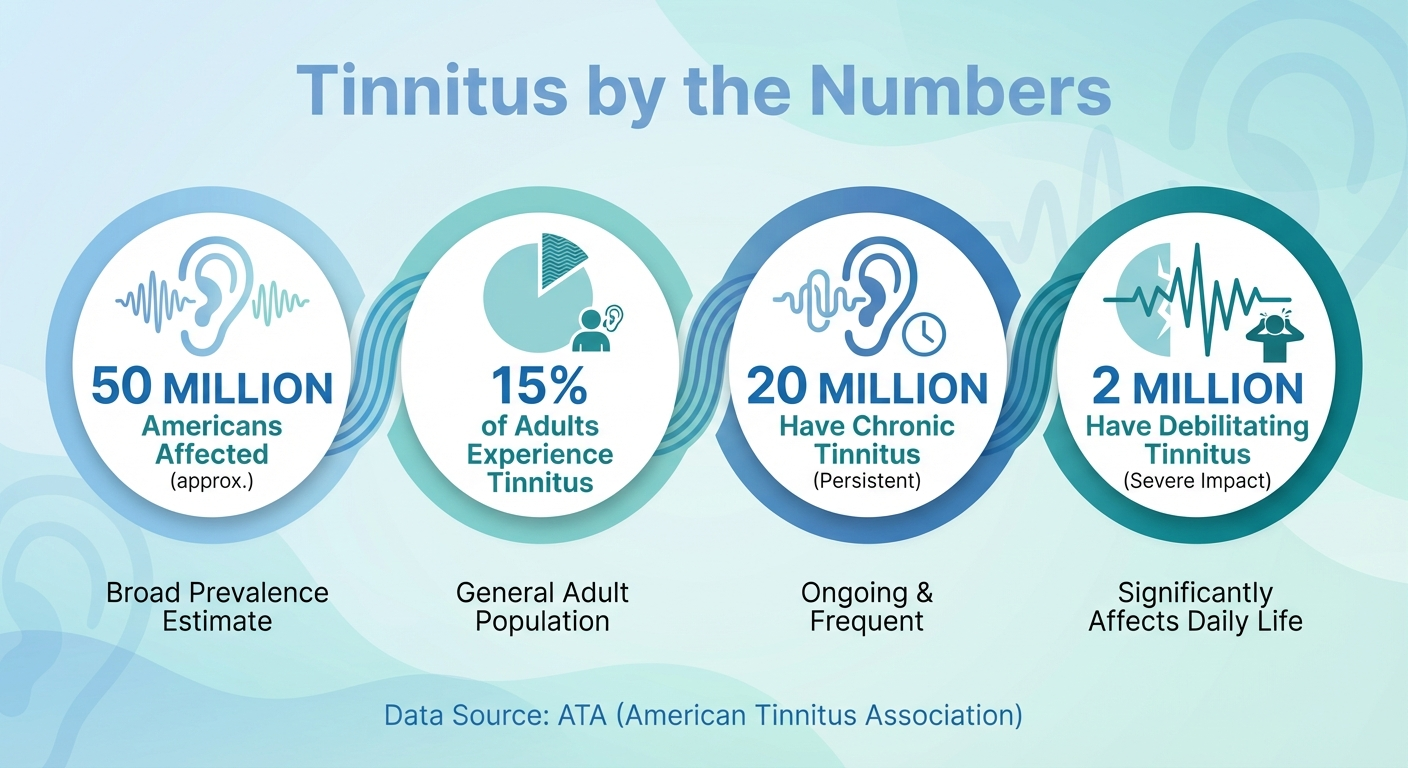
If you hear ringing, buzzing, or hissing in your ears that no one else can hear, you are not alone — and you are not without options. Tinnitus affects roughly 50 million Americans, according to the American Tinnitus Association. While there is no single cure, research supports multiple home-based tinnitus treatment methods that can significantly reduce the volume, frequency, and emotional impact of tinnitus symptoms.
Table of Contents
 Hero visual for Table of Contents
- Understanding Tinnitus: A Quick Overview
- 1. Sound Therapy and Sound Masking
- 2. Cognitive Behavioral Therapy (CBT)
- 3. Progressive Muscle Relaxation
- 4. Dietary Changes
- 5. Regular Exercise
- 6. Sleep Hygiene
- 7. Hearing Aids
- 8. Supplements (Magnesium, Zinc, Ginkgo)
- 9. Mindfulness Meditation
- 10. Acupuncture
- 11. TMJ Treatment
- Comparison Table: All 11 Methods at a Glance
- How to Build Your Personal Tinnitus Treatment Plan
- When to See a Doctor
- Frequently Asked Questions
- Sources
Understanding Tinnitus: A Quick Overview
 Comparison visual for Understanding Tinnitus: A Quick Overview
Tinnitus is the perception of sound — ringing, buzzing, humming, clicking, or hissing — when no external source is present. According to the National Institute on Deafness and Other Communication Disorders (NIDCD), approximately 15% of adults experience some form of tinnitus. For about 20 million people, the condition is chronic. For roughly 2 million, it becomes debilitating.
I want to start by saying something I tell every patient who walks into my clinic: what you are experiencing is real. Tinnitus is not imagined, it is not "just stress," and you are not overreacting. The distress it causes — the sleepless nights, the difficulty concentrating, the frustration of explaining it to people who cannot hear what you hear — all of that is completely valid.
The encouraging news is that tinnitus management has come a long way. While researchers continue working toward a definitive cure, there are well-studied, practical strategies you can begin using at home today. Many of my patients see genuine improvement within weeks, and sustained relief over months.
To understand what causes tinnitus in the first place — from noise exposure and hearing loss to medications and underlying health conditions — I encourage you to read our detailed guide. Knowing your triggers is a powerful first step toward managing your symptoms.
1. Sound Therapy and Sound Masking
 Infographic visual for 1. Sound Therapy and Sound Masking
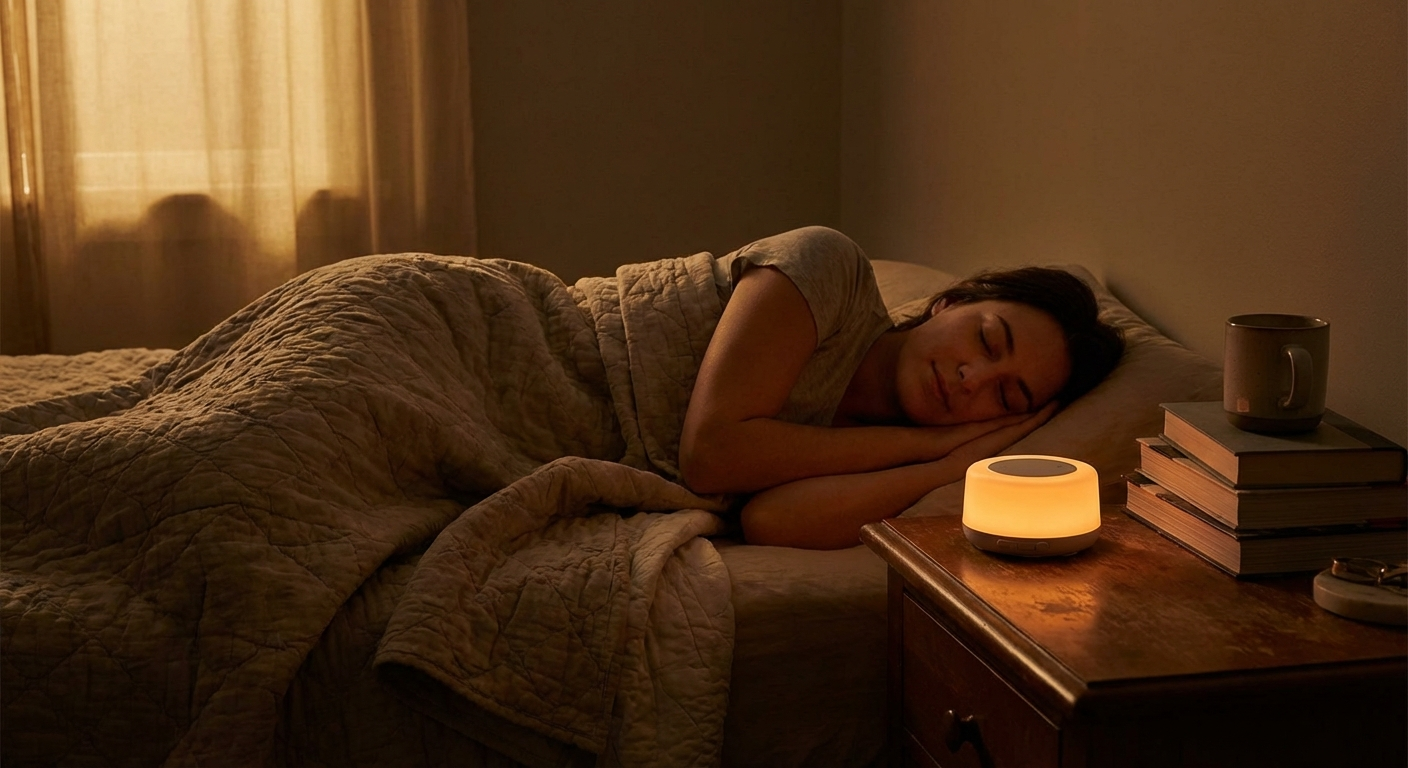
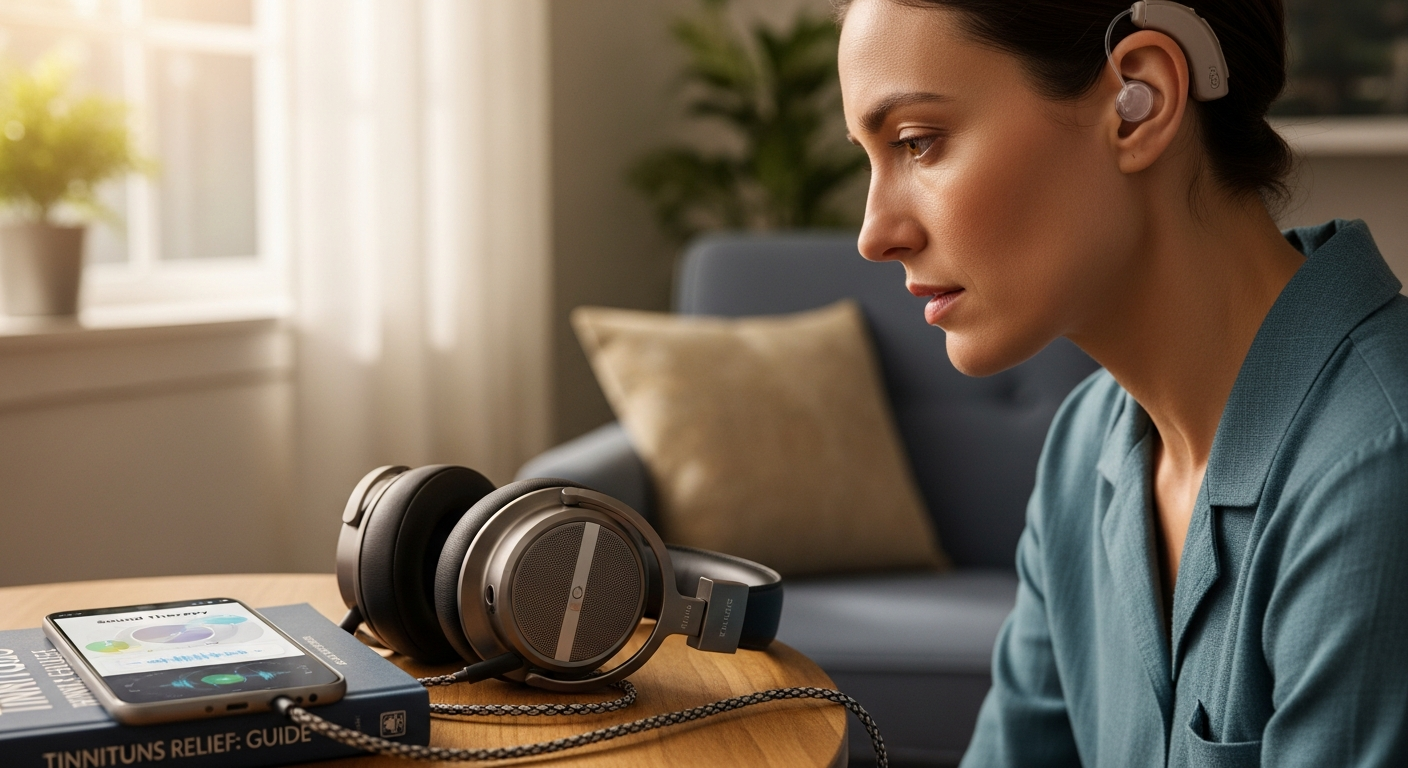
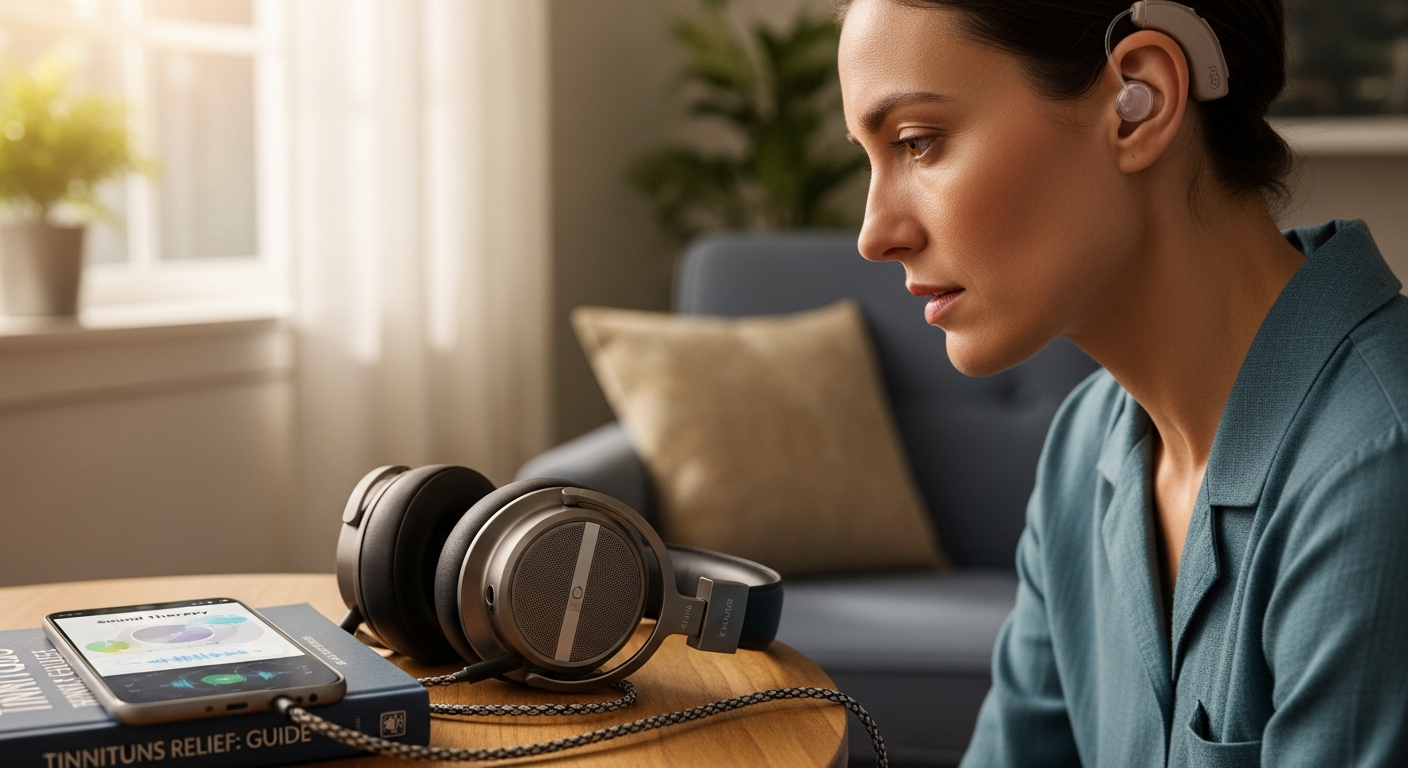
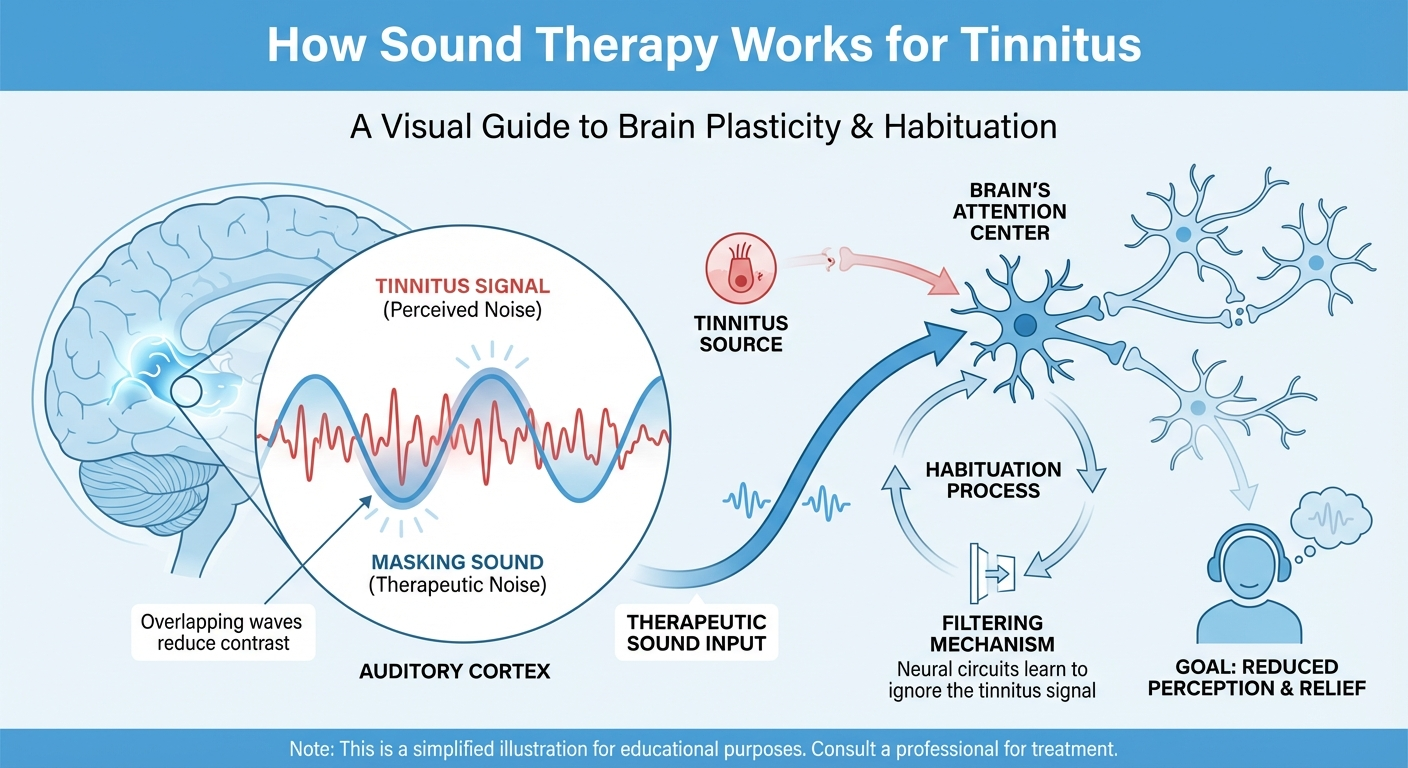
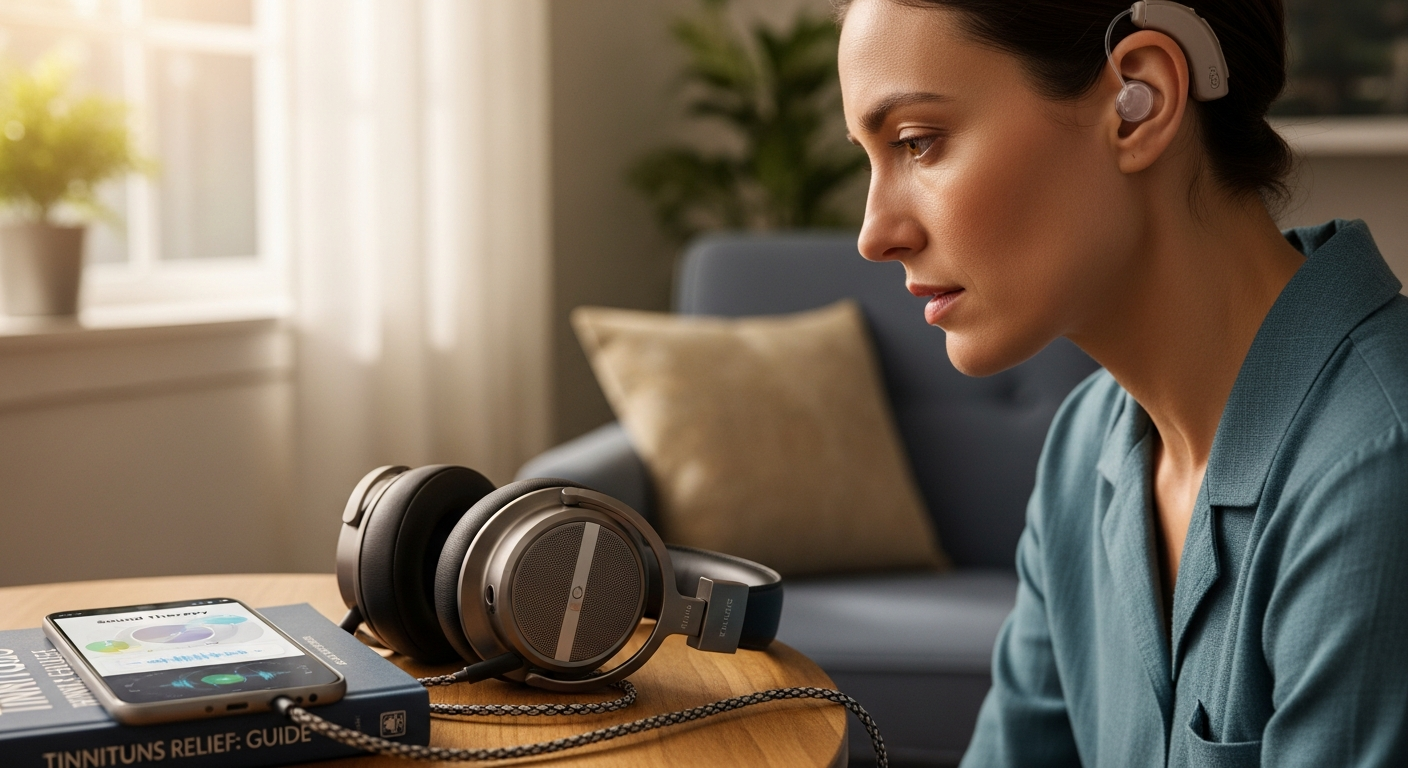
Sound therapy is one of the most widely recommended and well-supported tinnitus treatment options available. The concept is straightforward: by introducing external sound into your environment, you reduce the contrast between the tinnitus signal and the background, making the ringing less noticeable and less intrusive.
There are several approaches to sound therapy:
- White noise and broadband noise — A steady, consistent sound that partially or fully masks tinnitus. White noise machines are the most accessible option.
- Pink noise and brown noise — Similar to white noise but with lower-frequency emphasis, which many tinnitus sufferers find more soothing and natural.
- Nature sounds — Rain, ocean waves, flowing streams, and wind through trees can provide effective masking while promoting relaxation.
- Notched sound therapy — A more targeted approach that filters out the specific frequency of your tinnitus tone, training the brain to de-emphasize that frequency over time.
Sound therapy works best when used consistently. Many audiologists recommend playing background sound for several hours a day, especially during quiet periods when tinnitus tends to feel loudest — like bedtime or focused work.
For a detailed breakdown of the best devices, see our guide to the best sound machine for tinnitus. At TinnitusGuides, we have tested dozens of machines and apps to help you find the right fit.
Shop Sound Machines for Tinnitus on Amazon
2. Cognitive Behavioral Therapy (CBT)
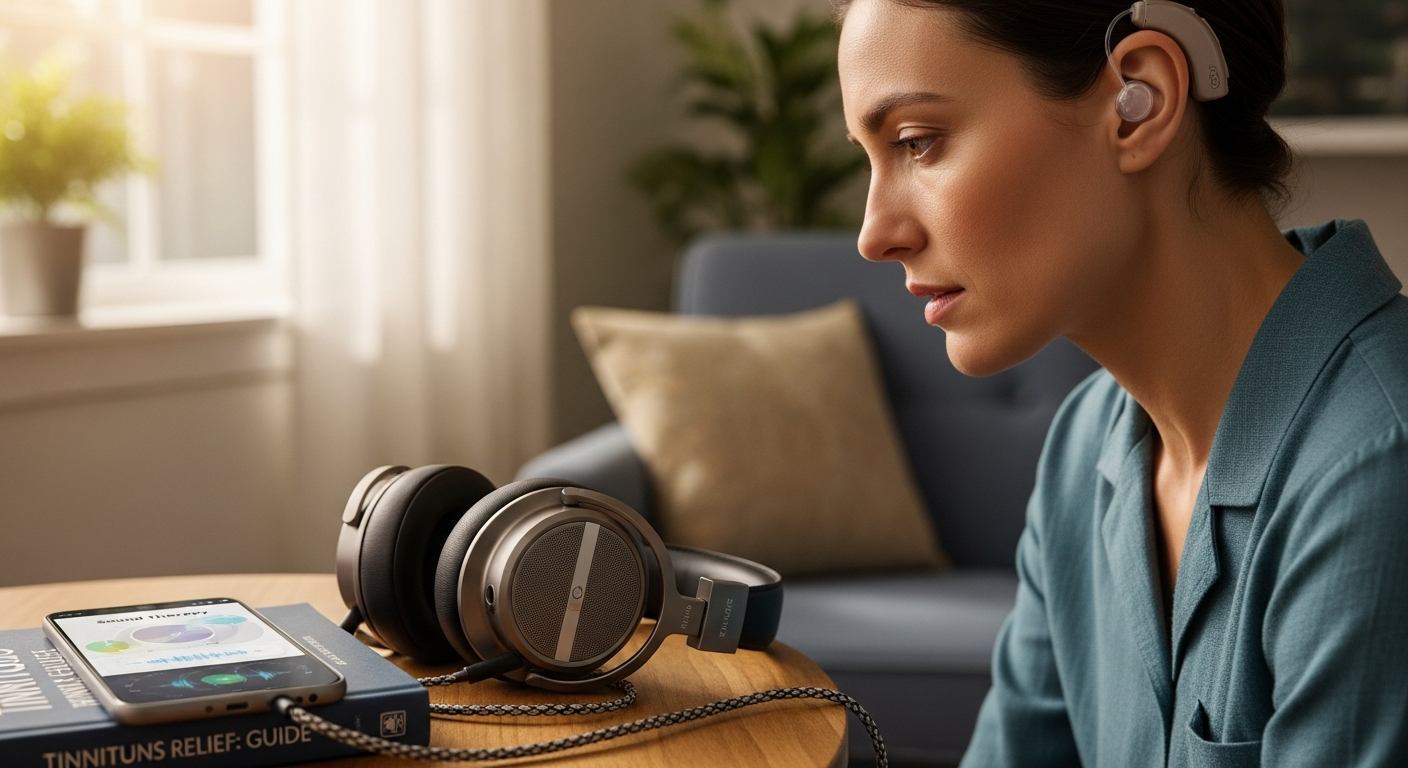 Setup visual for 2. Cognitive Behavioral Therapy (CBT)
If I could recommend only one treatment approach for tinnitus, it would be cognitive behavioral therapy. That may surprise you — CBT does not reduce the actual volume of your tinnitus. What it does is something arguably more important: it changes how your brain and nervous system respond to the sound.
A landmark Cochrane systematic review (Martinez-Devesa et al.) confirmed that CBT significantly improves quality of life for tinnitus patients, reducing anxiety, depression, and the overall impact of tinnitus on daily functioning. The evidence is strong enough that both the American Academy of Otolaryngology and the British Tinnitus Association list CBT as a first-line treatment recommendation.
CBT for tinnitus typically involves:
- Identifying negative thought patterns — "This will never get better," "I can't live like this," "Something is seriously wrong with me."
- Cognitive restructuring — Replacing catastrophic thoughts with balanced, realistic ones.
- Behavioral activation — Gradually re-engaging with activities you may have been avoiding because of tinnitus.
- Attention retraining — Practicing shifting focus away from the tinnitus signal.
You can begin CBT with a licensed therapist (many offer telehealth sessions now), or explore structured self-help workbooks and online CBT programs designed specifically for tinnitus. The key is consistency — most programs run 8 to 12 weeks, and the benefits tend to be long-lasting.
I have seen patients who had been suffering for years experience a genuine shift within just a few sessions. Not because the sound disappeared, but because it stopped controlling their lives.
3. Progressive Muscle Relaxation
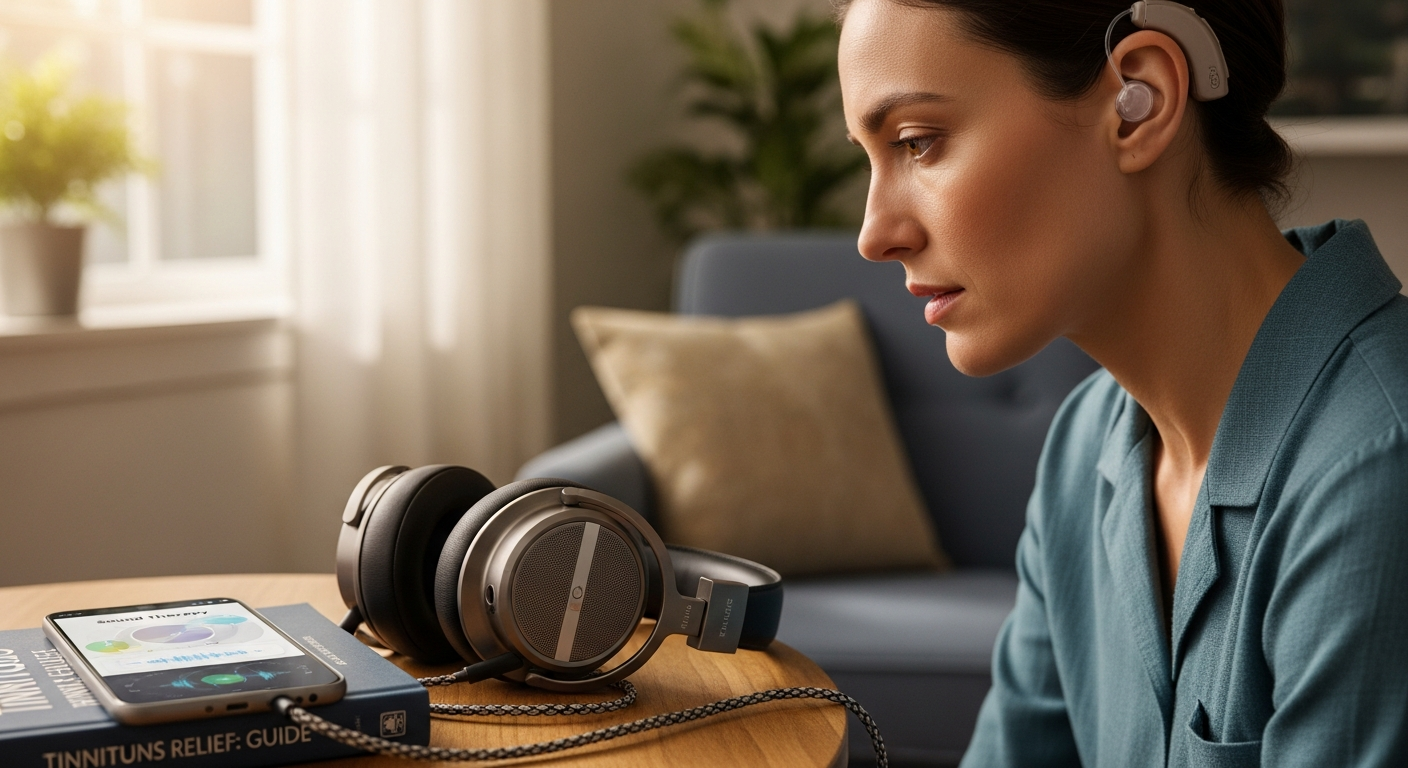 Detail visual for 3. Progressive Muscle Relaxation

Stress and tinnitus share a well-documented bidirectional relationship: tinnitus causes stress, and stress amplifies tinnitus. Progressive muscle relaxation (PMR) targets this cycle directly.
PMR involves systematically tensing and then releasing individual muscle groups throughout the body — typically starting at the feet and working upward to the face and scalp. Each tension-release cycle lasts about 5 to 10 seconds per muscle group, and a full session takes 15 to 20 minutes.
Research published in the International Tinnitus Journal found that patients who practiced PMR daily for four weeks reported significant reductions in tinnitus distress, alongside measurable decreases in muscle tension and cortisol levels.
How to get started with PMR:
- Find a quiet, comfortable space. Lie down or sit in a supportive chair.
- Close your eyes. Take three slow, deep breaths.
- Begin with your feet — curl your toes tightly for 5 seconds, then release.
- Move to your calves, thighs, abdomen, hands, arms, shoulders, neck, and face.
- After completing all muscle groups, rest for 2 to 3 minutes in stillness.
Many people find that their tinnitus actually seems quieter during and immediately after PMR. This is not a coincidence — reduced physical tension directly affects the auditory system, particularly if your tinnitus has a somatic (body-related) component.
4. Dietary Changes
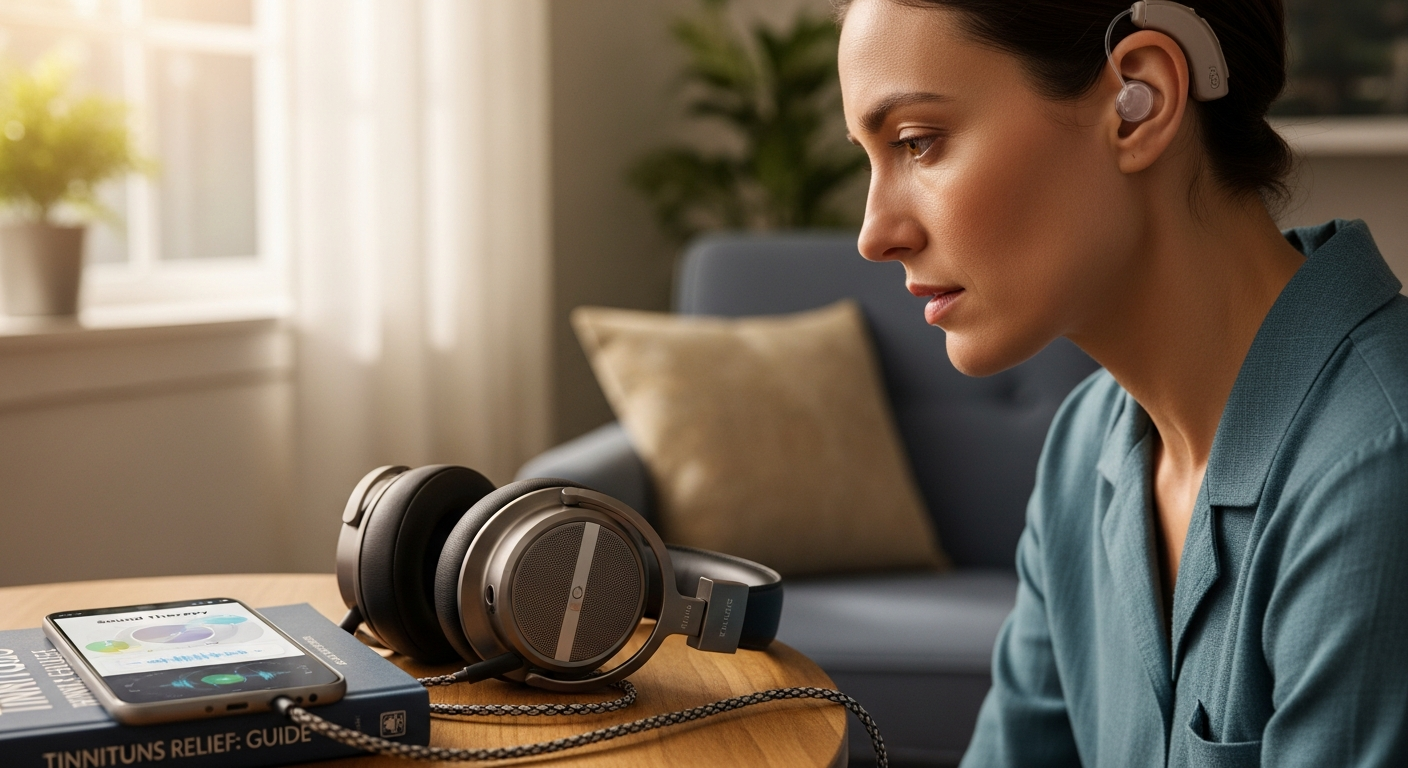 Lifestyle visual for 4. Dietary Changes
The connection between diet and tinnitus is more significant than many people realize. While no single food causes or cures tinnitus, certain dietary factors can influence symptom severity for many individuals.
Substances to reduce or eliminate:
- Sodium (salt) — Excess salt can increase fluid pressure in the inner ear, particularly if your tinnitus is related to Meniere's disease or endolymphatic hydrops. The NIDCD recommends a low-sodium diet for patients with these conditions.
- Caffeine — Research is mixed, but some patients report a clear correlation between caffeine intake and tinnitus volume. If you consume caffeine regularly, try reducing your intake gradually over two weeks and note any changes.
- Alcohol — Alcohol dilates blood vessels, including those near the inner ear, which can amplify tinnitus — especially pulsatile tinnitus. It also disrupts sleep architecture, compounding the problem.
- Artificial sweeteners and MSG — Some individuals report sensitivity to these additives. An elimination approach can help identify personal triggers.
Foods that may support ear health:
- Potassium-rich foods (bananas, spinach, sweet potatoes) — Help regulate fluid balance in the inner ear.
- Omega-3 fatty acids (salmon, sardines, walnuts) — Anti-inflammatory properties may benefit the auditory system.
- Folate-rich foods (leafy greens, lentils, asparagus) — Low folate levels have been associated with higher rates of hearing loss and tinnitus in some studies.
The most effective dietary approach is a food journal. For two to four weeks, track what you eat and drink alongside your tinnitus severity (on a 1-to-10 scale). Patterns often emerge that are unique to your situation.
5. Regular Exercise
 Product Lineup visual for 5. Regular Exercise

Exercise is one of the most underutilized tinnitus treatments, and one of the most effective for overall well-being. Cardiovascular exercise improves blood circulation throughout the body, including to the cochlea and auditory cortex. It also triggers the release of endorphins, reduces cortisol, and promotes deeper sleep — all of which directly influence tinnitus perception.
A 2022 study published in the American Journal of Audiology found that adults who engaged in regular moderate exercise reported lower tinnitus severity scores compared to sedentary individuals, even after controlling for hearing loss and age.
Exercise recommendations for tinnitus management:
- Aim for 150 minutes per week of moderate-intensity aerobic activity (brisk walking, cycling, swimming).
- Start slowly if you have been inactive — even 10-minute walks can make a difference.
- Avoid extremely loud gym environments — If your gym plays loud music, use earplugs or noise-isolating earbuds.
- Be cautious with heavy weightlifting — Straining and holding your breath (Valsalva maneuver) can temporarily increase tinnitus. Focus on controlled breathing during resistance training.
- Try yoga or tai chi — These combine gentle movement with breathwork and mindfulness, addressing multiple tinnitus-related factors simultaneously.
I tell my patients that exercise is not optional — it is foundational. The improvements in sleep, mood, and stress resilience that come from regular physical activity create the conditions in which other tinnitus treatments work more effectively.
6. Sleep Hygiene
If you have tinnitus, you already know that bedtime can be the hardest part of the day. When the world goes quiet, the ringing gets loud. The exhaustion, the frustration of lying there unable to sleep while the sound seems to intensify — it is genuinely one of the most difficult aspects of living with this condition.
Poor sleep does not just result from tinnitus. It actively worsens it. Sleep deprivation increases central nervous system excitability, heightens emotional reactivity, and lowers your threshold for distress. It creates a vicious cycle that must be broken for tinnitus management to succeed.
Practical sleep hygiene strategies:
- Use sound enrichment at night — A white noise machine, fan, or sleep-focused tinnitus app provides low-level background sound that reduces the perceived contrast of tinnitus. See our best sound machine for tinnitus guide.
- Keep a consistent sleep schedule — Go to bed and wake up at the same time every day, even on weekends.
- Limit screen time before bed — Blue light from phones and tablets suppresses melatonin production. Stop screens at least 60 minutes before sleep.
- Keep your bedroom cool and dark — Ideal sleep temperature is between 60 and 67 degrees Fahrenheit.
- Avoid caffeine after 2 PM and alcohol within 3 hours of bedtime.
- If you cannot sleep after 20 minutes, get up. Move to another room and do something calming (reading, gentle stretching) until you feel sleepy. Lying in bed frustrated creates a negative association between your bed and wakefulness.
Over time, strong sleep habits reduce the emotional and physiological intensity of tinnitus. Many patients tell me that once they started sleeping better, everything else improved — their mood, their concentration, and their ability to cope with the ringing.
Shop Sleep Sound Machines on Amazon
7. Hearing Aids
This may seem like an unusual entry on a list of home treatments, but modern hearing aids are worn at home as much as anywhere else, and they represent one of the most evidence-backed tinnitus interventions available.
Here is why hearing aids help: in many cases, tinnitus arises from hearing loss. When the brain stops receiving certain frequencies from the ear, it compensates by amplifying its own internal signals — which you perceive as tinnitus. Hearing aids restore that missing input, and the brain often "turns down" the tinnitus in response.
According to a survey by the American Tinnitus Association, approximately 60% of tinnitus sufferers experienced some relief from hearing aids, and 22% reported significant relief.
What to look for in hearing aids for tinnitus:
- Built-in tinnitus masking features — Many modern hearing aids include white noise generators and customizable sound therapy programs.
- Bluetooth connectivity — Allows streaming of sound therapy content directly to your ears from your phone.
- Rechargeable batteries — More convenient for daily use.
- Professional fitting — An audiologist can program your hearing aids to target both your hearing loss profile and your tinnitus frequency, maximizing the benefit of both amplification and masking.
If you suspect you have hearing loss alongside your tinnitus — which is extremely common — a comprehensive hearing evaluation is one of the most valuable steps you can take. Even mild hearing loss that you might not notice in daily conversation could be driving your tinnitus.
8. Supplements (Magnesium, Zinc, Ginkgo)
The supplement landscape for tinnitus can feel overwhelming. Dozens of products make bold claims, but only a few have any real scientific backing. Here is what the research actually shows:
Magnesium
Magnesium plays a critical role in nerve function and blood flow to the inner ear. A study published in the American Journal of Otolaryngology found that magnesium supplementation improved hearing thresholds in military personnel exposed to high-noise environments. The proposed mechanism: magnesium helps protect the delicate hair cells of the cochlea from noise-induced damage by blocking excess glutamate, a neurotransmitter that can be toxic in high concentrations.
Recommended form: Magnesium glycinate (well-absorbed and gentle on the stomach) Typical dose: 200 to 400 mg daily
Zinc
Zinc deficiency has been linked to tinnitus in several studies, particularly in older adults. Research published in Otology & Neurotology found that zinc supplementation reduced tinnitus severity in patients who had documented low zinc levels. However, supplementation did not show significant benefit for patients with normal zinc status.
Recommended form: Zinc picolinate or zinc gluconate Typical dose: 15 to 30 mg daily
Ginkgo Biloba
Ginkgo biloba is perhaps the most well-known herbal remedy for tinnitus, widely used in Europe. It works by improving microcirculation, including blood flow to the cochlea. Results from clinical trials are mixed — some show modest benefit, while others find no significant difference from placebo. A systematic review in Frontiers in Pharmacology concluded that ginkgo may benefit some patients, particularly those with cerebrovascular-related tinnitus, but should not be considered a standalone treatment.
Recommended form: Standardized extract (EGb 761) Typical dose: 120 to 240 mg daily
Important cautions: Always consult your healthcare provider before starting any supplement, particularly if you take blood thinners (ginkgo and high-dose magnesium can interact with anticoagulants), blood pressure medication, or antibiotics. Supplements are not regulated the same way as pharmaceuticals, so choose reputable brands with third-party testing.
Shop Tinnitus Supplements on Amazon
9. Mindfulness Meditation
Mindfulness meditation teaches you to observe the tinnitus sound without judgment, without resistance, and without the emotional escalation that so often accompanies it. I know that sounds counterintuitive — why would you want to focus more on the sound you are trying to escape? But the research supports it.
A randomized controlled trial published in Psychotherapy and Psychosomatics found that mindfulness-based cognitive therapy (MBCT) significantly reduced tinnitus severity, psychological distress, and functional impairment compared to a relaxation-only control group.
The reason mindfulness works is neurological. When you react to tinnitus with anxiety, frustration, or fear, your amygdala (the brain's threat-detection center) flags the sound as dangerous. This keeps your auditory cortex hyper-focused on it. Mindfulness gradually retrains this response, teaching the brain that the sound is not a threat and does not require constant monitoring.
A simple mindfulness practice for tinnitus:
- Sit comfortably and close your eyes.
- Take five slow breaths, focusing on the sensation of air entering and leaving your body.
- Notice the tinnitus. Do not try to change it, block it, or analyze it. Simply observe it the way you would observe clouds moving across the sky.
- When your mind reacts with frustration or anxiety, gently acknowledge the emotion ("I notice I'm feeling frustrated") and return your focus to your breathing.
- Start with 5 minutes daily and gradually increase to 15 to 20 minutes.
This practice can feel uncomfortable at first. That is completely normal. With time and consistency, many patients report a genuine shift in their relationship with the sound — from adversary to neutral background presence.
10. Acupuncture
Acupuncture has been used for thousands of years in traditional Chinese medicine to treat a variety of conditions, and it is increasingly studied for tinnitus in Western clinical settings.
A systematic review and meta-analysis published in Medicine (2019) analyzed data from 12 randomized controlled trials and found that acupuncture was associated with reduced tinnitus severity compared to sham acupuncture or no treatment. However, the authors noted that study quality was variable, and more rigorous research is needed.
The proposed mechanisms include:
- Improved blood flow to the inner ear and auditory cortex
- Modulation of the nervous system — Acupuncture may influence neurotransmitter levels and reduce neural hyperactivity associated with tinnitus
- Stress reduction — The relaxation response triggered by acupuncture sessions can break the stress-tinnitus cycle
If you choose to try acupuncture, seek a licensed acupuncturist with experience treating tinnitus or auditory conditions. Most treatment plans involve one to two sessions per week for 8 to 12 weeks before evaluating effectiveness.
Acupuncture is generally safe when performed by a qualified practitioner, though it may not be covered by all insurance plans. It works best as part of a broader tinnitus management strategy rather than as a standalone solution.
11. TMJ Treatment
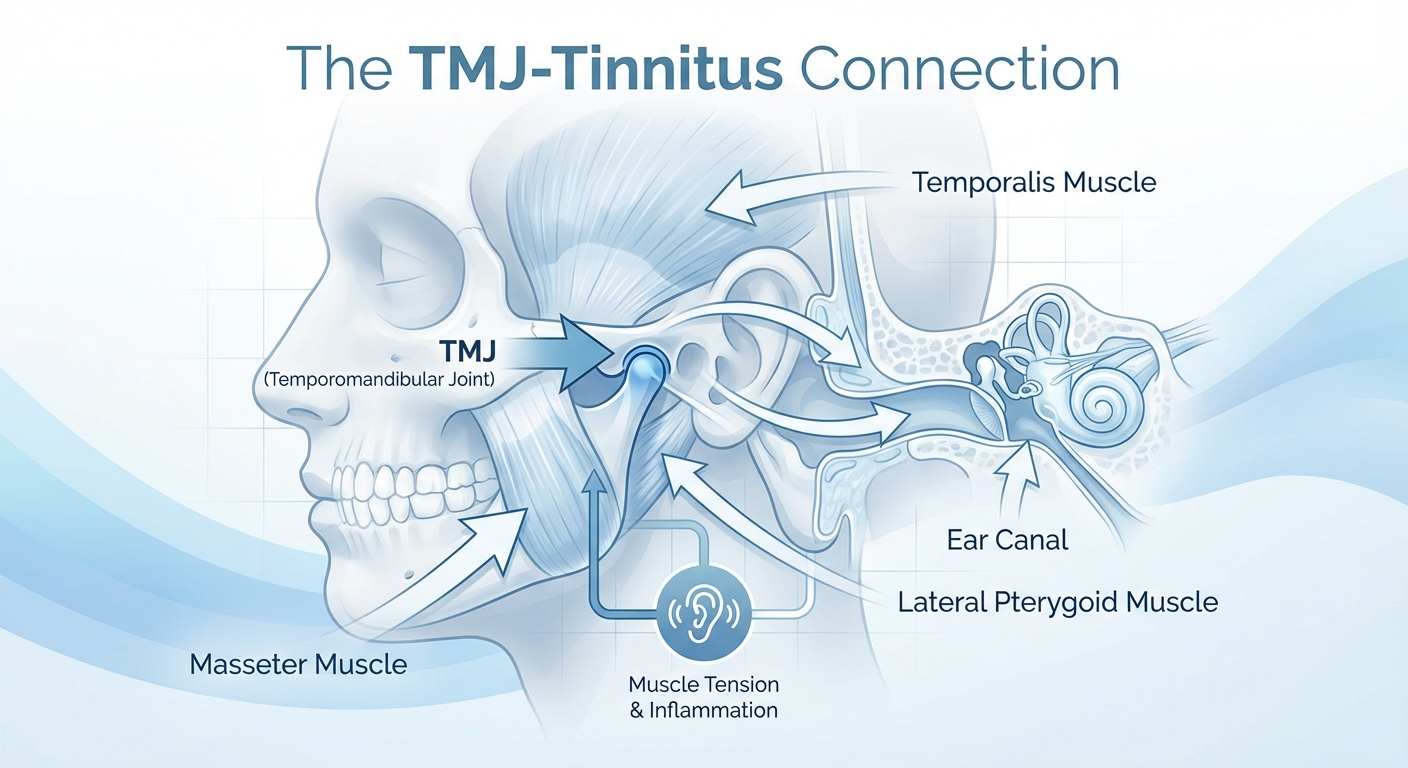
The temporomandibular joint (TMJ) sits just in front of each ear, and its proximity to the auditory system means that jaw problems frequently contribute to tinnitus. In fact, studies suggest that TMJ disorders are present in 30% to 60% of tinnitus patients — far higher than in the general population.
If your tinnitus is accompanied by any of the following, a TMJ component is worth investigating:
- Jaw pain, clicking, or popping
- Difficulty opening your mouth fully
- Teeth grinding or clenching (bruxism), especially at night
- Headaches centered around the temples
- Tinnitus that changes pitch or volume when you move your jaw, clench your teeth, or press on your face
Home-based TMJ treatments that can improve tinnitus:
- Jaw stretching exercises — Gentle, controlled opening and closing of the jaw, lateral movements, and resistance exercises can reduce TMJ tension.
- Moist heat application — A warm, damp towel applied to the jaw for 15 to 20 minutes can relax the muscles and improve blood flow.
- Night guards — If you grind your teeth at night, a dental night guard (available over-the-counter or custom-fitted by a dentist) can significantly reduce TMJ-related tinnitus.
- Posture correction — Forward head posture places extra strain on the jaw and neck muscles, both of which can influence tinnitus. Ergonomic adjustments to your workspace can help.
- Avoiding hard or chewy foods — Give your jaw a rest by choosing softer foods during flare-ups.
For some patients, addressing the TMJ component produces the most dramatic improvement in tinnitus of any intervention they have tried. It is an often-overlooked piece of the puzzle that deserves attention.
Shop TMJ Night Guards on Amazon
Comparison Table: All 11 Methods at a Glance
| Method | Evidence Level | Cost | Best For |
|---|---|---|---|
| Sound Therapy / Masking | Strong (multiple RCTs) | $20–$150 (machines/apps) | Nighttime relief, background masking |
| Cognitive Behavioral Therapy | Very Strong (Cochrane review) | $100–$200/session or free (self-help) | Emotional distress, anxiety, catastrophizing |
| Progressive Muscle Relaxation | Moderate | Free | Stress-related tinnitus, muscle tension |
| Dietary Changes | Moderate (varies by individual) | Free | Salt/caffeine-sensitive tinnitus, Meniere's |
| Exercise | Moderate-Strong | Free–$50/mo (gym) | Overall well-being, stress, sleep |
| Sleep Hygiene | Moderate-Strong | Free–$100 (sleep aids) | Nighttime tinnitus, insomnia |
| Hearing Aids | Strong (large surveys, clinical data) | $1,000–$6,000/pair | Tinnitus with concurrent hearing loss |
| Supplements (Mg, Zn, Ginkgo) | Low-Moderate (mixed results) | $10–$30/month | Nutritional deficiency-related tinnitus |
| Mindfulness Meditation | Moderate-Strong (RCTs) | Free–$15/mo (apps) | Emotional reactivity, attention fixation |
| Acupuncture | Low-Moderate (variable study quality) | $60–$120/session | Complementary therapy, stress reduction |
| TMJ Treatment | Moderate-Strong (for TMJ-related cases) | Free–$500 (night guard) | Jaw-related tinnitus, bruxism |
How to Build Your Personal Tinnitus Treatment Plan
No two cases of tinnitus are identical, which is why no single treatment works for everyone. At TinnitusGuides, we encourage a layered approach — combining two or three methods that address different aspects of the condition.
Here is a practical framework:
Start with the foundations:
- Sound therapy (immediate relief, easy to begin)
- Sleep hygiene (critical for breaking the tinnitus-insomnia cycle)
- Exercise (supports everything else)
Add targeted interventions based on your situation:
- If emotional distress is high: CBT and/or mindfulness meditation
- If you have hearing loss: hearing aid evaluation
- If you have jaw problems: TMJ treatment
- If your diet includes high salt, caffeine, or alcohol: dietary modifications
Consider supplementary options:
- Supplements (after consulting your doctor)
- Acupuncture
- Progressive muscle relaxation
Give each new method at least four to six weeks before evaluating its effectiveness. Keep a simple daily log rating your tinnitus severity, sleep quality, and stress level. Patterns will emerge, and you will gain a clearer sense of what works for your unique situation.
When to See a Doctor
While home-based treatments can be remarkably effective, certain situations require professional medical evaluation. Please seek prompt care if you experience:
- Sudden tinnitus that appears without an obvious cause
- Tinnitus in one ear only (unilateral tinnitus)
- Pulsatile tinnitus — a rhythmic sound that matches your heartbeat
- Tinnitus accompanied by sudden hearing loss, dizziness, or facial weakness
- Tinnitus that significantly worsens over a short period
These symptoms may indicate underlying conditions — from earwax impaction and ear infections to acoustic neuromas and vascular abnormalities — that require diagnosis and treatment beyond home management.
Even if your tinnitus is stable and chronic, an initial evaluation with an audiologist or ENT specialist is always a good idea. A hearing test, tinnitus pitch matching, and medical history review can help guide your home treatment strategy and rule out conditions that need medical attention.
Frequently Asked Questions
Can tinnitus be cured at home?
There is currently no universal cure for tinnitus. However, many home-based treatments — including sound therapy, CBT techniques, dietary changes, and relaxation exercises — can significantly reduce the perceived loudness and emotional distress caused by tinnitus. Most people find meaningful relief through a combination of methods.
What is the most effective home treatment for tinnitus?
Sound therapy and cognitive behavioral therapy (CBT) have the strongest clinical evidence. Sound therapy works by masking or partially covering the tinnitus signal, while CBT changes your emotional response to the sound. A Cochrane review found CBT significantly improves quality of life for tinnitus sufferers.
Do supplements like magnesium or ginkgo biloba help tinnitus?
Some research suggests these may help certain patients, but evidence is mixed. Magnesium supplementation improved hearing thresholds in noise-exposed individuals in one published study. Always consult your doctor before starting supplements, as they can interact with medications.
How long does it take for tinnitus treatment to work?
Most home-based treatments require consistency over several weeks to months. Sound therapy may provide immediate partial relief, but full habituation typically takes 6 to 18 months. CBT programs usually run 8 to 12 weeks. Dietary and lifestyle changes may show effects within 2 to 6 weeks.
Should I see a doctor for tinnitus or treat it at home?
See a doctor if your tinnitus is sudden, one-sided, pulsatile, or accompanied by hearing loss, dizziness, or pain. For chronic, stable tinnitus, home-based treatments can be used alongside professional care for the best outcomes.
Does exercise help reduce tinnitus?
Yes. Regular cardiovascular exercise improves blood circulation to the inner ear, lowers stress hormones, and promotes better sleep — all factors that influence tinnitus perception. Aim for 30 minutes of moderate exercise, 3 to 5 times per week.
Sources
-
American Tinnitus Association (ATA). "Understanding the Facts." ata.org. Accessed March 2026.
-
National Institute on Deafness and Other Communication Disorders (NIDCD). "Tinnitus." National Institutes of Health. nidcd.nih.gov/health/tinnitus. Accessed March 2026.
-
Martinez-Devesa P, Waddell A, Perera R, Theodoulou M. "Cognitive behavioural therapy for tinnitus." Cochrane Database of Systematic Reviews, 2010. doi:10.1002/14651858.CD005233.pub3.
-
McKenna L, Marks EM, Hallsworth CA, Schaette R. "Mindfulness-Based Cognitive Therapy as a Treatment for Chronic Tinnitus: A Randomized Controlled Trial." Psychotherapy and Psychosomatics, 2017;86(6):351-361.
-
Attias J, Weisz G, Almog S, et al. "Oral magnesium intake reduces permanent hearing loss induced by noise exposure." American Journal of Otolaryngology, 1994;15(1):26-32.
This article is provided by TinnitusGuides for educational purposes and does not constitute medical advice. Always consult a qualified healthcare professional before beginning any new treatment program for tinnitus or related conditions.
Disclaimer: This content is for informational purposes only and is not a substitute for professional medical advice. Always consult a qualified healthcare provider before making medical decisions.
Visual Guide Gallery
 Tips visual for Visual Guide Gallery