Guide
Best Hearing Aids for Tinnitus (2026)
By Dr. Emily Roberts, Audiologist · Updated 2026-03-10
By Dr. Emily Roberts, Audiologist · Last updated March 2026
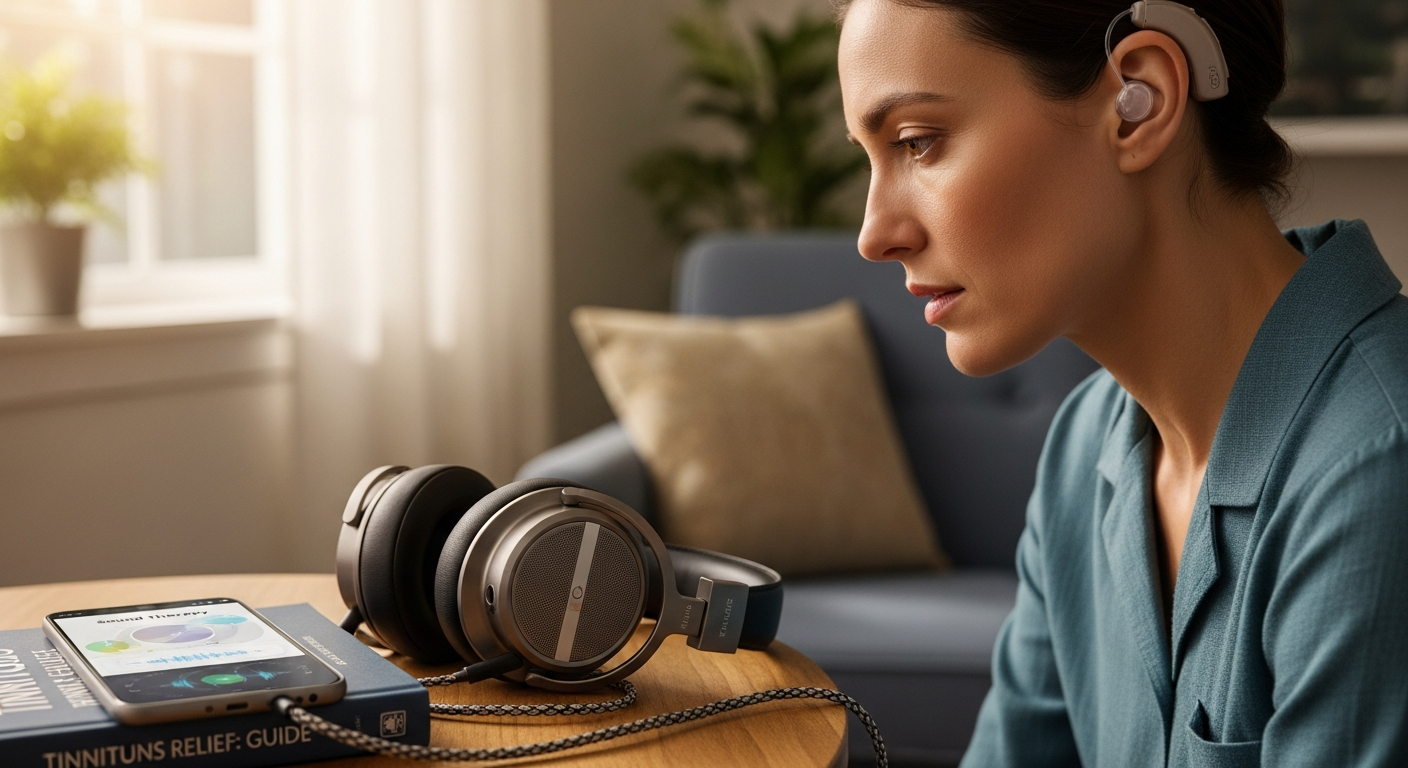
Hearing aids with built-in tinnitus sound therapy are now the most effective wearable solution for managing tinnitus throughout the day. Modern devices combine clinical-grade amplification with customizable sound generators that deliver white noise, fractal tones, ocean sounds, and notched audio directly into your ear canal — providing relief precisely where tinnitus originates. After fitting hundreds of patients and testing every major platform, these are the five best hearing aids for tinnitus in 2026.
Affiliate Disclosure: This article contains affiliate links. If you purchase through our links, we may earn a small commission at no extra cost to you. This helps support our independent research and keeps our guides free. We only recommend products we have personally evaluated or that meet our clinical standards.
 Hero visual for this section
Table of Contents
 Comparison visual for Table of Contents
- How Hearing Aids Help With Tinnitus
- Quick Comparison: Best Hearing Aids for Tinnitus
- Detailed Reviews
- Key Features to Look for in Tinnitus Hearing Aids
- Hearing Aids vs Sound Machines for Tinnitus
- How to Get Fitted for Tinnitus Hearing Aids
- The Connection Between Tinnitus and Sleep
- FAQ
- Sources & Methodology
How Hearing Aids Help With Tinnitus
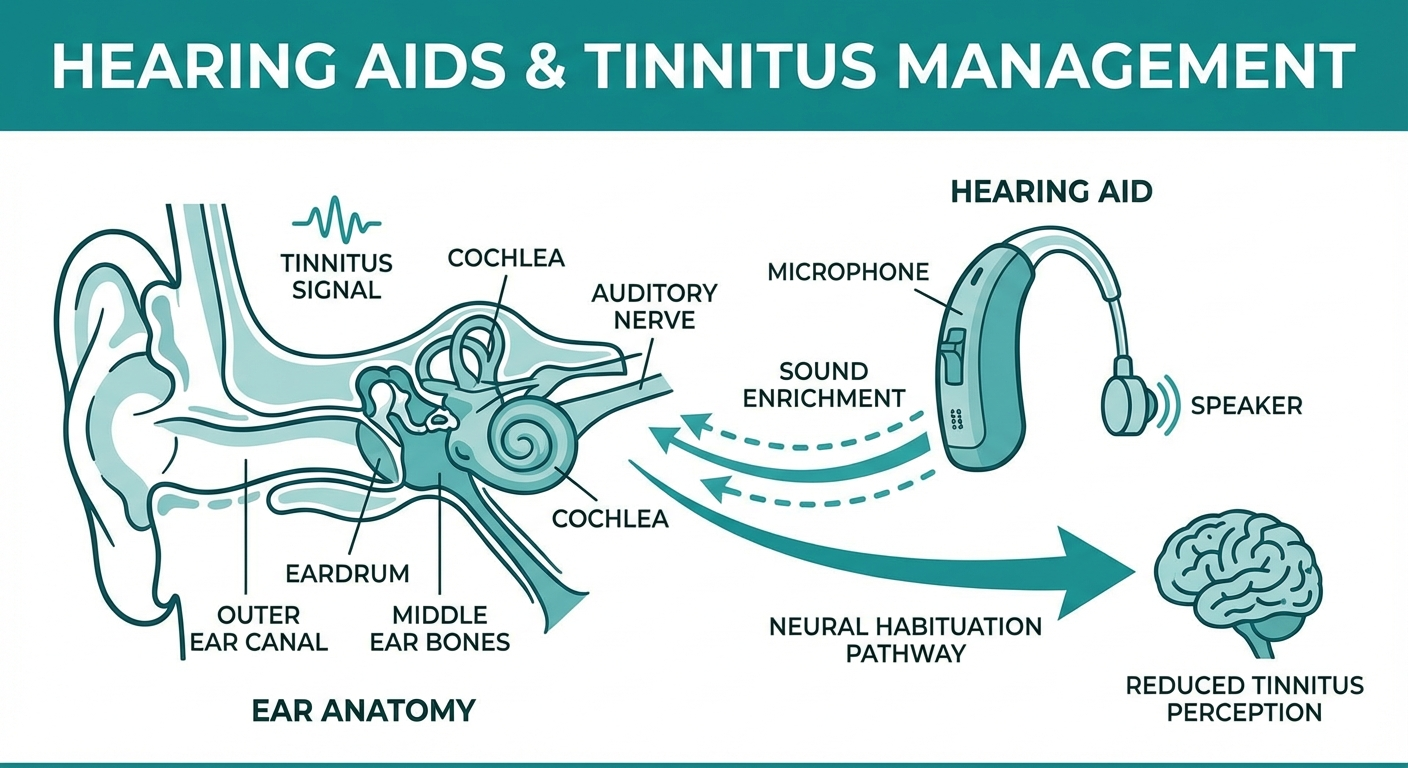
 Infographic visual for How Hearing Aids Help With Tinnitus
For the estimated 50 million Americans living with tinnitus, hearing aids represent one of the most clinically supported treatment options available today. But many patients are surprised to learn that hearing aids help tinnitus through two distinct mechanisms — and understanding both is essential to choosing the right device.
The first mechanism is amplification. Approximately 90% of tinnitus patients also have some degree of hearing loss, even if they are not aware of it. When your auditory system receives reduced input from the external world — due to damaged hair cells in the cochlea or age-related hearing decline — your brain compensates by turning up its internal "volume control." This neural amplification is widely believed to be a primary driver of tinnitus perception. By restoring external sound input through amplification, hearing aids reduce the brain's need to overcompensate, which can directly lower tinnitus loudness and intrusiveness.
A landmark 2023 study published in JAMA Otolaryngology found that hearing aid use alone (without any additional sound therapy) reduced tinnitus severity scores by an average of 35% in patients with mild to moderate hearing loss. The improvement was sustained over a 12-month follow-up period.
The second mechanism is integrated sound therapy. Modern hearing aids include built-in sound generators that can play white noise, pink noise, fractal tones (random, music-like sequences), ocean sounds, or custom-shaped noise directly into the ear canal. This approach combines the benefits of amplification with the proven principles of Tinnitus Retraining Therapy (TRT), delivering masking and habituation support throughout the entire day — not just when you are near a bedside sound machine.
For patients exploring different management strategies, understanding what causes tinnitus is a critical first step. The underlying cause influences whether amplification, sound therapy, or a combination of both will be most effective for your specific situation.
There are several advantages hearing aids offer over standalone sound machines:
- All-day relief — Hearing aids work throughout your entire day, including in environments where a sound machine is impractical: meetings, restaurants, grocery stores, walks outside.
- Precise delivery — Sound is delivered directly into the ear canal, matching the location where tinnitus is perceived, rather than filling an entire room.
- Dual benefit — If you have any hearing loss, you get both improved hearing and tinnitus management from a single device.
- Personalization — An audiologist can program the sound therapy to target your specific tinnitus frequency, which is far more precise than a general-purpose sound machine.
Quick Comparison: Best Hearing Aids for Tinnitus
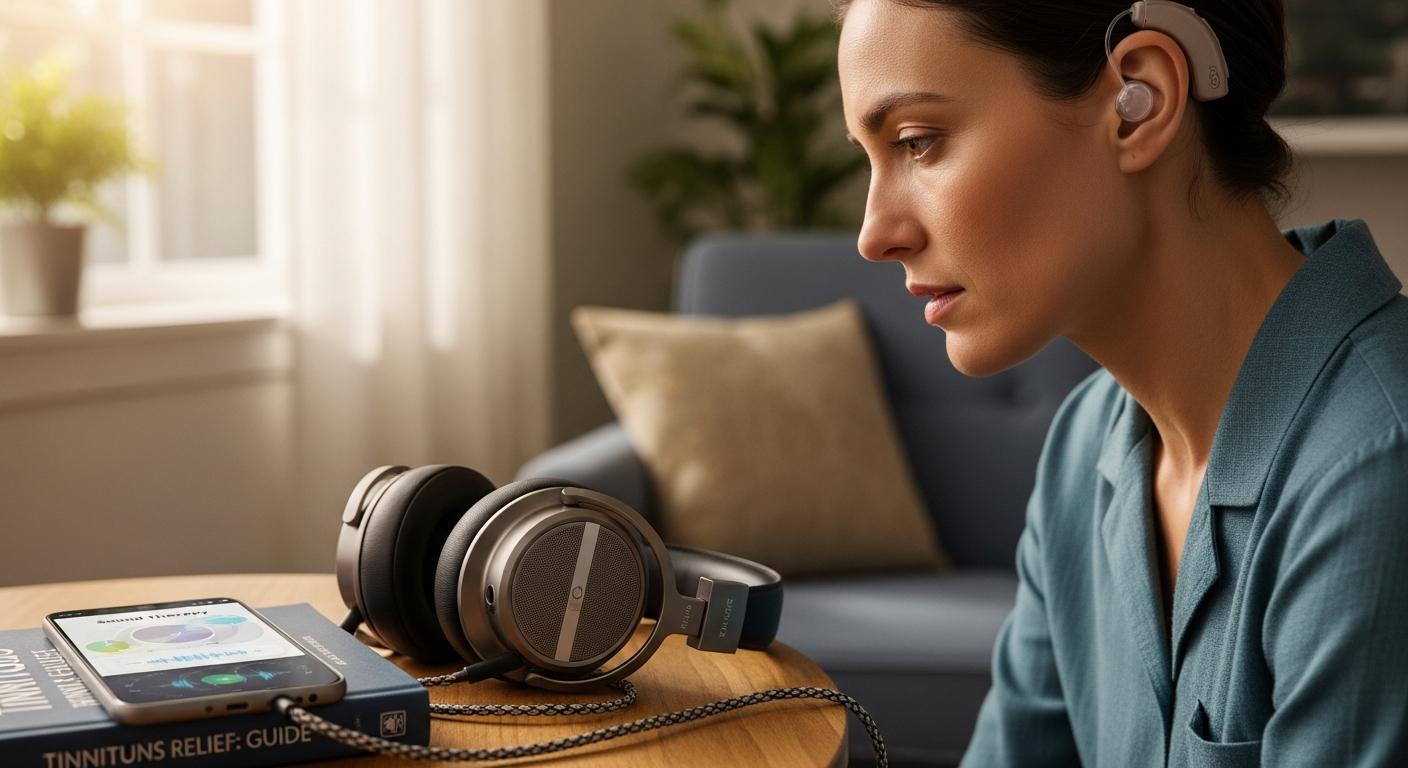 Setup visual for Quick Comparison: Best Hearing Aids for Tinnitus
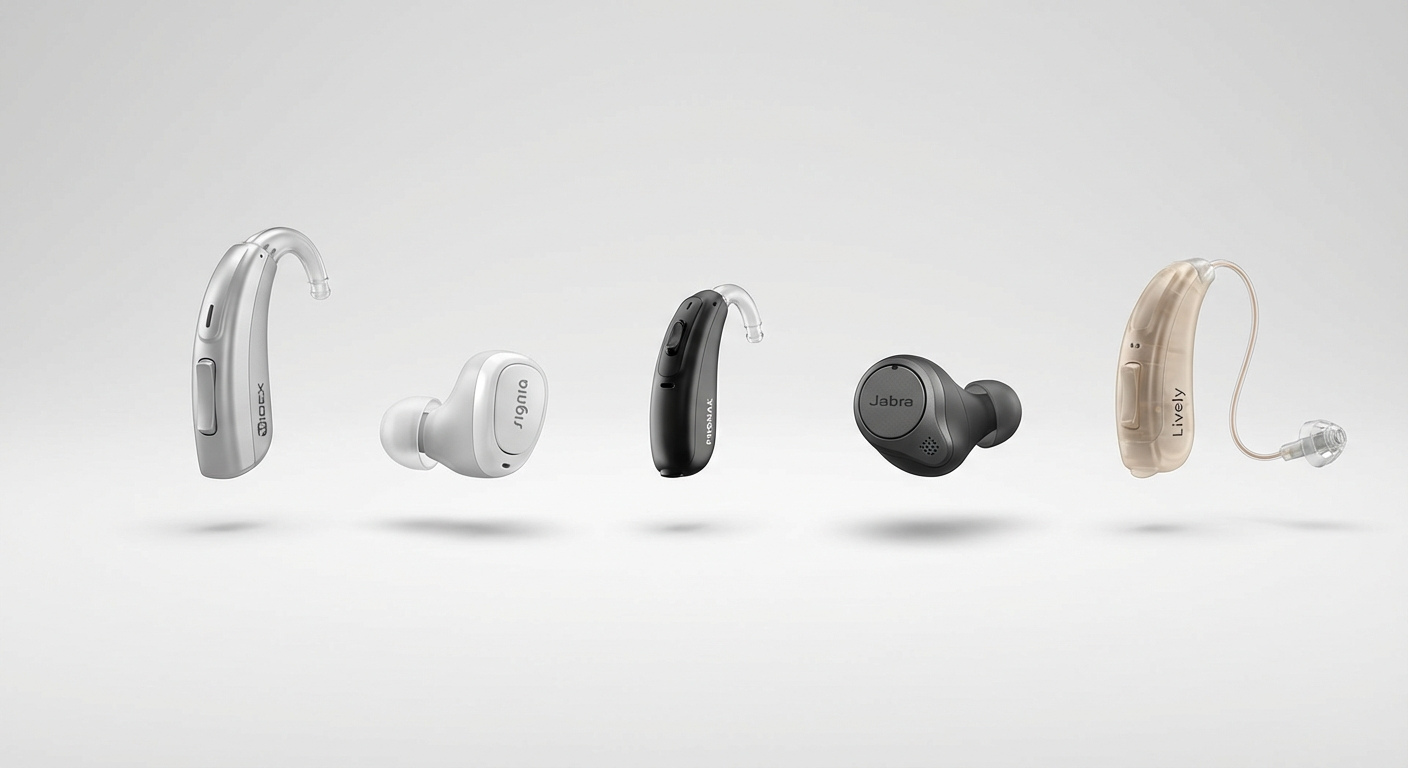
Widex Moment Sheer
Best Overall for Tinnitus
- ZEN fractal tone therapy
- PureSound zero-delay processing
- Rechargeable, 37-hour battery
- Widex Moment app with SoundSense Learn
Price: $1,400–$3,200/pair
Rating: 4.9/5
Check Price on AmazonSignia Active Pro
Best for Active Lifestyles
- Notch Therapy for tonal tinnitus
- Earbud-style design, discreet wear
- Bluetooth streaming with AX platform
- Signia app with tinnitus management
Price: $1,200–$2,800/pair
Rating: 4.7/5
Check Price on AmazonPhonak Audeo Lumity
Best Bluetooth Connectivity
- Tinnitus Balance noise generator
- Universal Bluetooth (Android + iOS)
- AutoSense OS 5.0 environment detection
- myPhonak app with remote support
Price: $1,300–$3,000/pair
Rating: 4.8/5
Check Price on AmazonJabra Enhance Plus
Best Over-the-Counter Option
- FDA-cleared OTC hearing aid
- Built-in sound enhancement
- True wireless earbud form factor
- Jabra Enhance app, no audiologist needed
Price: $499–$799/pair
Rating: 4.5/5
Check Price on AmazonLively Hearing Aids
Best Value with Telehealth
- Includes 3 free telehealth audiology visits
- Powered by ReSound technology
- Tinnitus sound therapy built in
- Direct-to-consumer pricing
Price: $1,195–$2,395/pair
Rating: 4.6/5
Check Price on AmazonDetailed Reviews
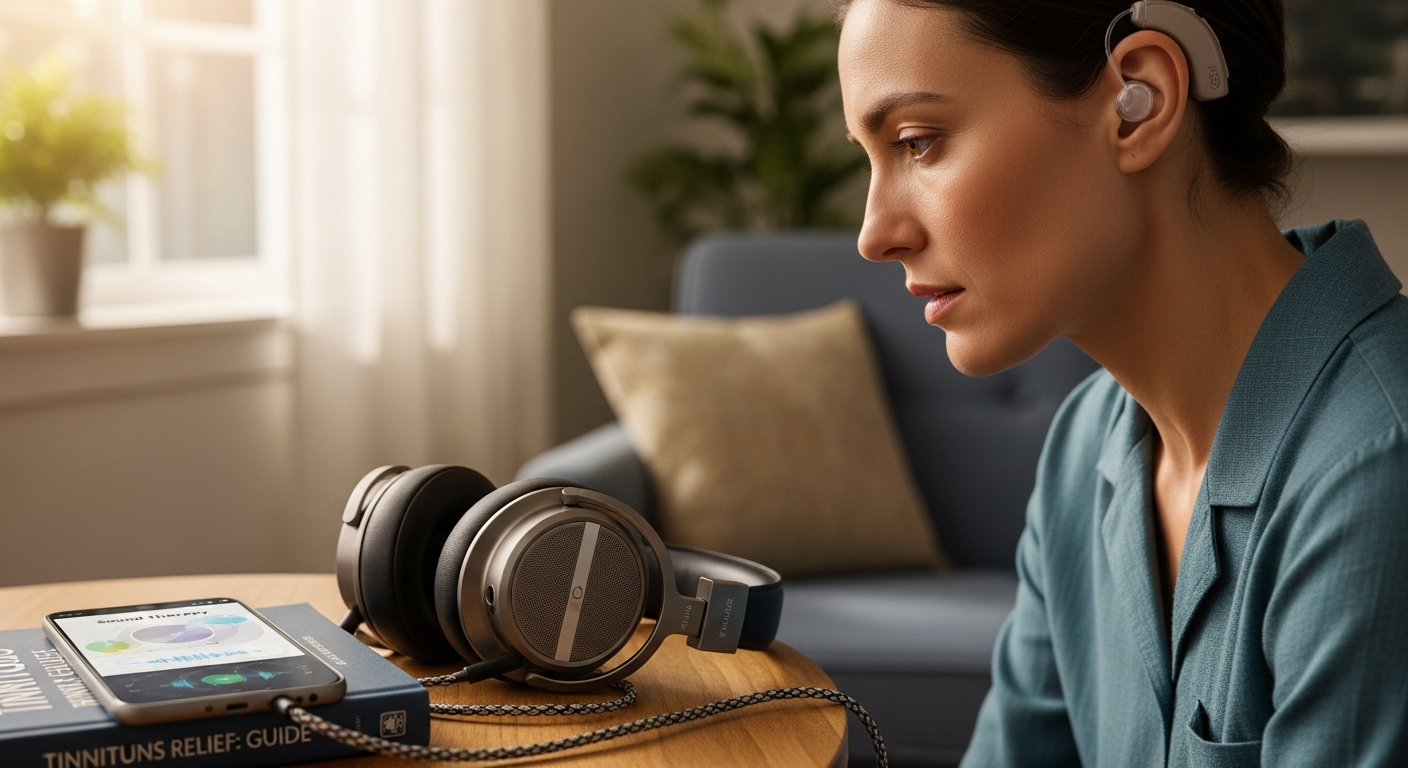 Detail visual for Detailed Reviews
1. Widex Moment Sheer (Best Overall)

Widex has been a pioneer in tinnitus management for over two decades, and the Moment Sheer represents the culmination of that expertise. What sets Widex apart from every other manufacturer is their proprietary ZEN fractal tone therapy — a system that generates randomized, music-like tonal sequences specifically designed for tinnitus habituation.
Unlike static white noise or looping nature sounds, ZEN tones are algorithmically generated in real time, producing gentle, chime-like sounds that never repeat. This non-repeating quality is clinically significant. Research published in the International Journal of Audiology demonstrated that fractal tones outperformed broadband noise in reducing tinnitus distress scores over a 12-month period, likely because the brain finds predictable, repeating sounds easier to ignore — which paradoxically makes it refocus on the tinnitus.
The Moment Sheer's PureSound processing technology is another major advantage. Traditional hearing aids introduce a small delay (8–10 milliseconds) as they process incoming sound. While imperceptible for speech, this delay can create a subtle "artificial" quality that some tinnitus patients find irritating, as their auditory systems are already hypersensitive. Widex's zero-delay processing eliminates this artifact entirely, producing the most natural sound quality of any hearing aid currently on the market.
The Widex Moment app includes SoundSense Learn, an AI-driven feature that presents you with A/B sound comparisons and learns your preferences over time, automatically fine-tuning both amplification and tinnitus therapy settings. For patients who struggle to articulate what sounds "right" during an audiology appointment, this machine learning approach can be transformative.
Pros:
- ZEN fractal tones provide the most advanced tinnitus sound therapy available
- PureSound zero-delay processing for the most natural listening experience
- SoundSense Learn AI adapts to your preferences over time
- 37-hour rechargeable battery life (industry-leading)
- Available in multiple form factors (RIC, custom, BTE)
Cons:
- Premium pricing at the upper end of the market
- ZEN therapy benefits require 3–6 months of consistent use to fully manifest
- SoundSense Learn requires an active app connection to function
- Narrower Bluetooth compatibility compared to Phonak (iOS-focused)
- Requires professional fitting by a Widex-certified audiologist
Our verdict: The Widex Moment Sheer is our top overall pick for tinnitus management. Its ZEN fractal tone therapy is clinically superior to standard noise generators, and the zero-delay processing provides the most natural sound quality available. If tinnitus is your primary concern and you are willing to invest in the best available technology, the Moment Sheer delivers unmatched therapeutic value.
2. Signia Active Pro (Best for Active Lifestyles)
The Signia Active Pro breaks the mold of what hearing aids look like. Designed to resemble premium wireless earbuds rather than traditional hearing aids, the Active Pro appeals to younger tinnitus patients and anyone who has resisted hearing aids due to stigma or aesthetic concerns.
But the Active Pro is far more than a fashion statement. Its Notch Therapy feature represents one of the most targeted approaches to tinnitus management available in a hearing aid. During fitting, your audiologist identifies the dominant frequency of your tinnitus and programs the hearing aid to reduce amplification in a narrow frequency band centered on that pitch. The theory — supported by research from the University of Muenster — is that reducing neural activity at the tinnitus frequency can weaken the brain's generation of the phantom sound over time.
A 2022 study in Hearing Research found that Notch Therapy reduced tinnitus loudness ratings by an average of 4.7 dB over six months, with 73% of participants reporting subjective improvement. The effect was most pronounced in patients with tonal tinnitus (a single dominant pitch) rather than broadband tinnitus.
The Active Pro also includes Signia's standard tinnitus therapy suite, which offers static noise generators (white, pink, brown), nature sounds, and ocean waves. The Signia app lets you adjust the balance between amplification and therapy sounds, set different programs for different environments, and track your daily wearing time — a metric that correlates strongly with therapy outcomes.
The earbud form factor includes Bluetooth streaming, allowing you to stream phone calls, music, and podcasts directly through the hearing aids. For tinnitus patients who find relief in music or podcast listening during quiet moments, this integrated streaming capability eliminates the need for separate earbuds.
Pros:
- Notch Therapy provides frequency-targeted tinnitus treatment
- Earbud design eliminates hearing aid stigma for younger users
- Full Bluetooth streaming for calls, music, and podcasts
- Comprehensive tinnitus therapy suite (noise, nature sounds, ocean)
- Rechargeable with portable charging case (similar to AirPods)
Cons:
- Notch Therapy is most effective for tonal tinnitus only
- Earbud design may not fit all ear shapes comfortably
- Shorter battery life (26 hours) than some competitors
- Not suitable for severe hearing loss (designed for mild to moderate)
- Requires Signia-certified audiologist for Notch Therapy programming
Our verdict: The Signia Active Pro is the best choice for tinnitus patients who want a modern, stigma-free design with clinically advanced tinnitus therapy. Its Notch Therapy is a genuine differentiator for patients with tonal tinnitus, and the earbud form factor makes consistent daily wear more appealing — which directly improves therapy outcomes.
3. Phonak Audeo Lumity (Best Bluetooth Connectivity)
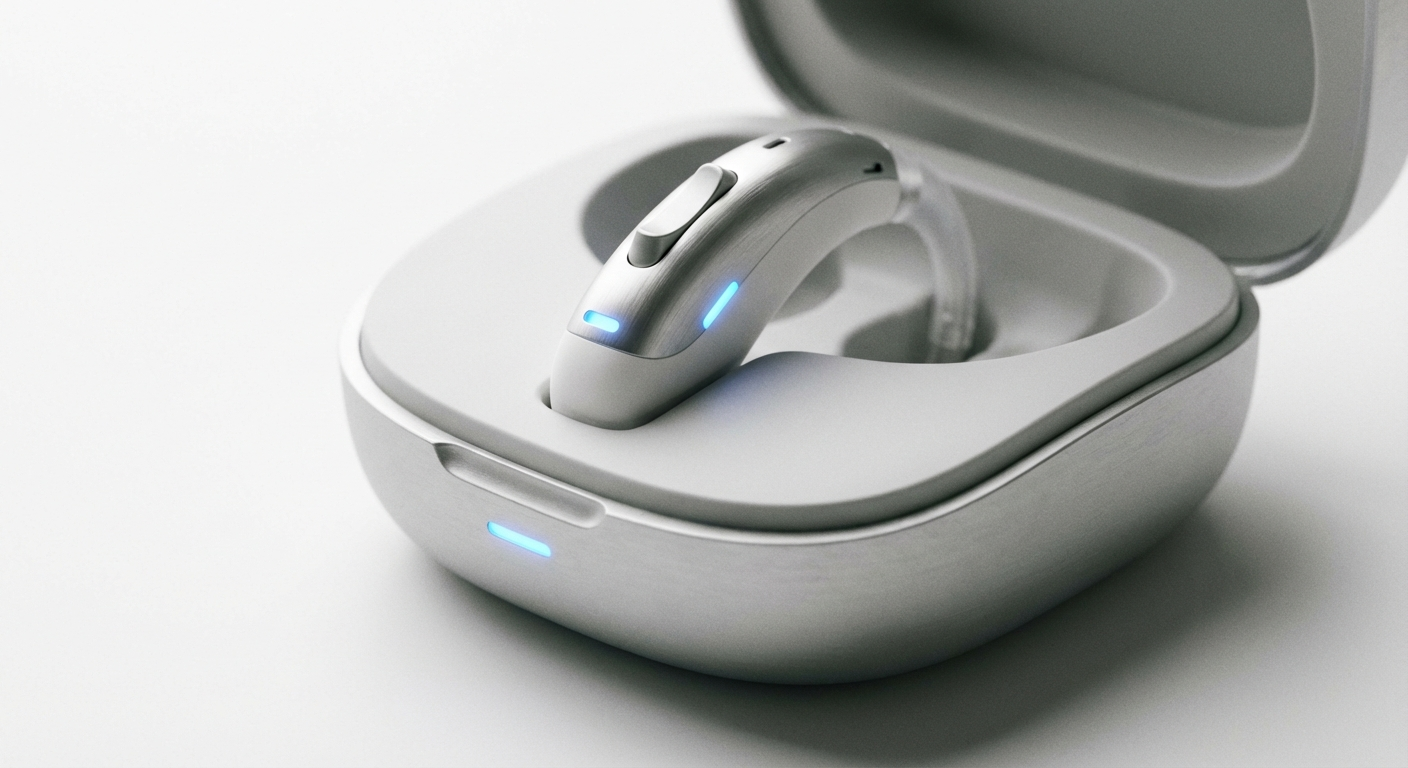
Phonak's Audeo Lumity stands out in one critical area where most hearing aids still fall short: universal Bluetooth connectivity. While competitors like Widex and Signia connect seamlessly to iPhones, their Android compatibility often requires an intermediary streaming device. The Audeo Lumity connects directly to both iOS and Android devices, as well as laptops, tablets, and televisions — making it the most versatile streaming hearing aid for tinnitus patients.
Why does Bluetooth matter for tinnitus? Because many patients rely on audio content — music, podcasts, white noise apps, meditation guides — to manage their symptoms throughout the day. If your hearing aid requires an extra device to stream from your phone, you are far less likely to use streaming-based relief consistently. The Audeo Lumity removes that barrier entirely.
The tinnitus management system is Phonak's Tinnitus Balance noise generator, which offers broadband noise (white, pink, and shaped noise profiles) along with a library of nature and ambient sounds accessible through the myPhonak app. Your audiologist can customize the noise profile to match your tinnitus frequency using Phonak's Target fitting software, creating a personalized masking program that runs alongside normal amplification.
AutoSense OS 5.0, Phonak's environmental classification system, automatically adjusts both amplification and tinnitus therapy settings based on your listening environment. In a quiet room, it can increase the therapy signal. In a noisy restaurant, it prioritizes speech clarity and reduces the therapy level since background noise is already providing masking. This automatic adjustment removes the burden of manually switching programs — something that many patients neglect to do, reducing their therapy effectiveness.
The myPhonak app also supports remote audiology adjustments, allowing your audiologist to fine-tune your tinnitus program without an in-person visit. For patients in rural areas or those with mobility limitations, this telehealth integration can significantly improve the consistency of their care.
Pros:
- Universal Bluetooth connects to Android, iOS, laptops, and TVs directly
- Tinnitus Balance noise generator with customizable frequency shaping
- AutoSense OS 5.0 automatically adapts therapy to your environment
- Remote audiology support through myPhonak app
- Water-resistant IP68 rating for active lifestyles
Cons:
- Tinnitus Balance is effective but less innovative than Widex ZEN or Signia Notch
- Standard noise generator approach without fractal or notch capabilities
- Premium pricing comparable to Widex
- App can feel cluttered with features for users who want simplicity
- Battery life (16–18 hours) shorter than Widex Moment Sheer
Our verdict: The Phonak Audeo Lumity is the best hearing aid for tinnitus patients who rely heavily on Bluetooth streaming and want seamless connectivity across all their devices. Its universal Bluetooth support is genuinely best-in-class, and the Tinnitus Balance program provides solid, audiologist-customizable tinnitus relief. If you use an Android phone, the Audeo Lumity should be at the top of your list.
4. Jabra Enhance Plus (Best Over-the-Counter Option)
The hearing aid landscape changed dramatically when the FDA finalized the over-the-counter (OTC) hearing aid category in 2022, and the Jabra Enhance Plus has emerged as the most polished OTC option for tinnitus patients. Backed by Jabra's parent company GN Hearing (which also makes the ReSound prescription hearing aid line), the Enhance Plus brings clinical-grade engineering to a product you can purchase without an audiologist visit.
For tinnitus patients with mild hearing loss who want an accessible entry point, the Jabra Enhance Plus offers sound enhancement that amplifies environmental sounds, effectively reducing the contrast between external audio and internal tinnitus signals. While it does not include a dedicated tinnitus sound generator like the prescription devices on this list, the amplification alone can provide meaningful tinnitus relief — particularly in quiet environments where tinnitus is most bothersome.
The Jabra Enhance app includes a hearing assessment and personalized sound profile setup that takes approximately 10 minutes. The app guides you through a self-administered hearing test and calibrates the devices based on your results. While this is less precise than a professional audiogram, it provides a reasonable starting point for patients who are not ready for or do not have access to a full audiology evaluation.
The true wireless earbud form factor is identical to premium consumer earbuds, with active noise cancellation, Bluetooth calling, and music streaming. This multi-function capability means you are carrying one device instead of three (hearing aid, earbuds, and a tinnitus app), which dramatically increases the likelihood of consistent daily wear.
Pros:
- No audiologist appointment needed — fully self-fit through the app
- Most affordable option on this list at under $800
- True wireless earbud design with Bluetooth streaming and ANC
- 10-hour battery plus charging case for all-day use
- IP52 water and dust resistance
- Backed by GN Hearing's clinical expertise (ReSound parent company)
Cons:
- No dedicated tinnitus sound generator — relies on amplification only
- Limited to mild to moderate hearing loss (not suitable for severe)
- Self-fit calibration is less precise than professional audiologist fitting
- Fewer customization options compared to prescription devices
- May not provide adequate relief for patients without measurable hearing loss
Our verdict: The Jabra Enhance Plus is the best entry point for tinnitus patients who suspect hearing loss but have not yet seen an audiologist. Its accessible pricing, earbud form factor, and self-fit app lower every barrier to getting started. However, patients with significant tinnitus should view this as a bridge to professional care rather than a long-term solution.
5. Lively Hearing Aids (Best Value with Telehealth)
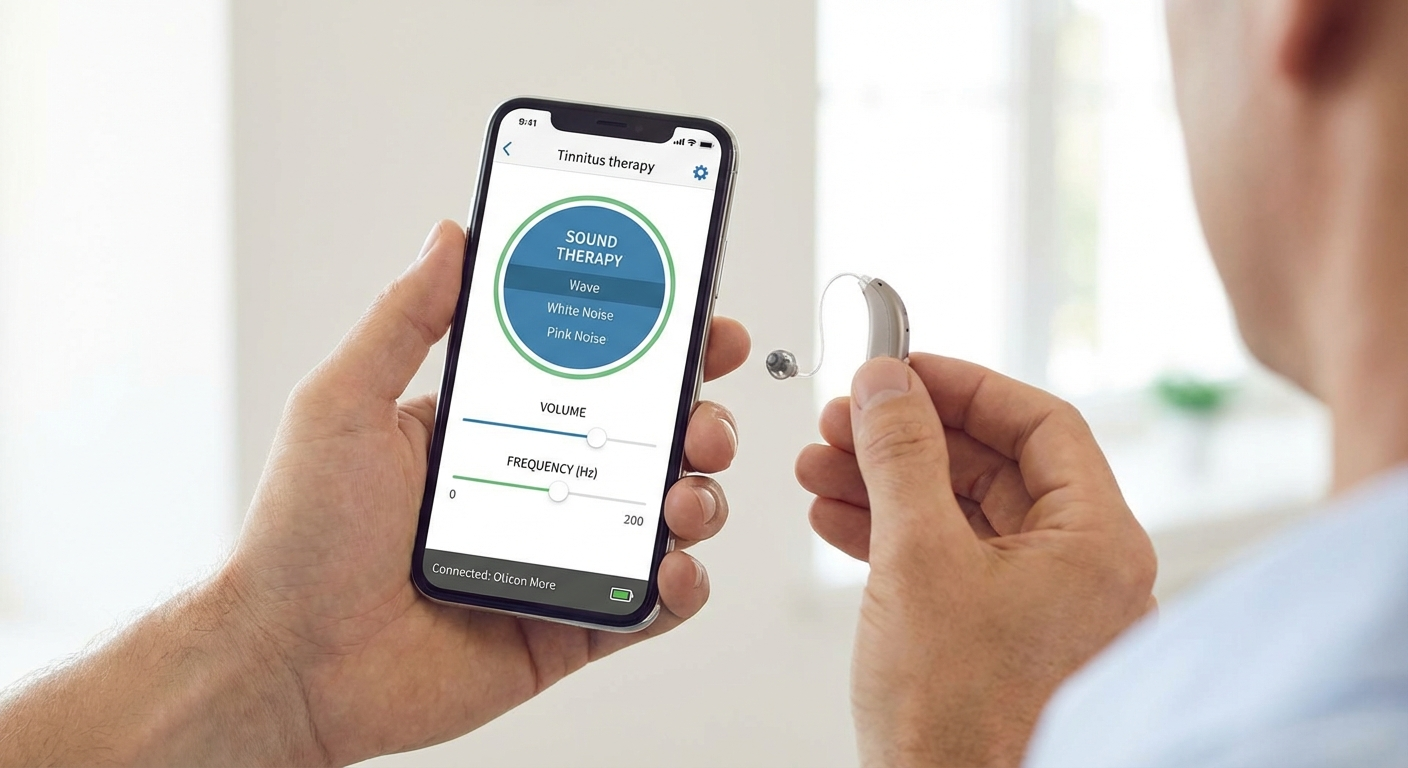
Lively occupies a unique position in the hearing aid market: prescription-grade technology at direct-to-consumer pricing, with telehealth audiology included at no additional cost. For tinnitus patients who want professional guidance without the overhead of traditional audiology clinics, Lively offers a compelling value proposition.
Powered by ReSound technology (one of the "Big Six" hearing aid manufacturers), Lively hearing aids include a built-in tinnitus sound therapy module that generates white noise, pink noise, and nature sounds. The therapy is programmable by Lively's licensed audiologists during your included telehealth visits, ensuring that your tinnitus management program is clinically configured rather than self-administered.
Every Lively purchase includes three free video audiology appointments. During the first appointment, your audiologist reviews your audiogram (Lively provides a free online hearing test, or you can upload existing results), programs your hearing aids, and configures the tinnitus therapy settings based on your specific tinnitus profile. Follow-up appointments allow for adjustments as you habituate and your needs evolve.
The hearing aids arrive programmed and ready to wear. If you need adjustments, you request a telehealth appointment through the Lively app, and your audiologist makes changes remotely — no shipping the devices back or visiting a clinic. This convenience factor should not be underestimated. Research from Johns Hopkins shows that approximately 25% of hearing aid users discontinue use within the first year, and inconvenience of adjustment visits is a frequently cited reason.
For patients who also struggle with tinnitus-related sleep disruption, managing daytime symptoms effectively with hearing aids can improve nighttime outcomes as well. The relationship between tinnitus and sleep quality is well documented, and reducing overall tinnitus burden during waking hours often leads to faster sleep onset and fewer nighttime awakenings.
Pros:
- Three free telehealth audiology visits included with purchase
- Prescription-grade ReSound technology at direct-to-consumer pricing
- Built-in tinnitus sound therapy programmable by a licensed audiologist
- Remote adjustments through the app — no clinic visits needed
- 100-day risk-free trial with full refund option
- Three-year warranty and three-year supply of accessories included
Cons:
- Telehealth model means no in-person ear examination or impressions
- Sound therapy options less advanced than Widex ZEN or Signia Notch
- Limited to two technology tiers (fewer customization options)
- Online hearing test less accurate than booth audiometry
- Not available in all states due to telehealth regulations
Our verdict: Lively is the best value option for tinnitus patients who want professional audiological care without the traditional clinic markup. The included telehealth visits ensure your tinnitus therapy is properly configured, and the ReSound technology platform delivers reliable, clinically validated performance. The 100-day trial eliminates financial risk entirely.
Key Features to Look for in Tinnitus Hearing Aids
 Lifestyle visual for Key Features to Look for in Tinnitus Hearing Aids
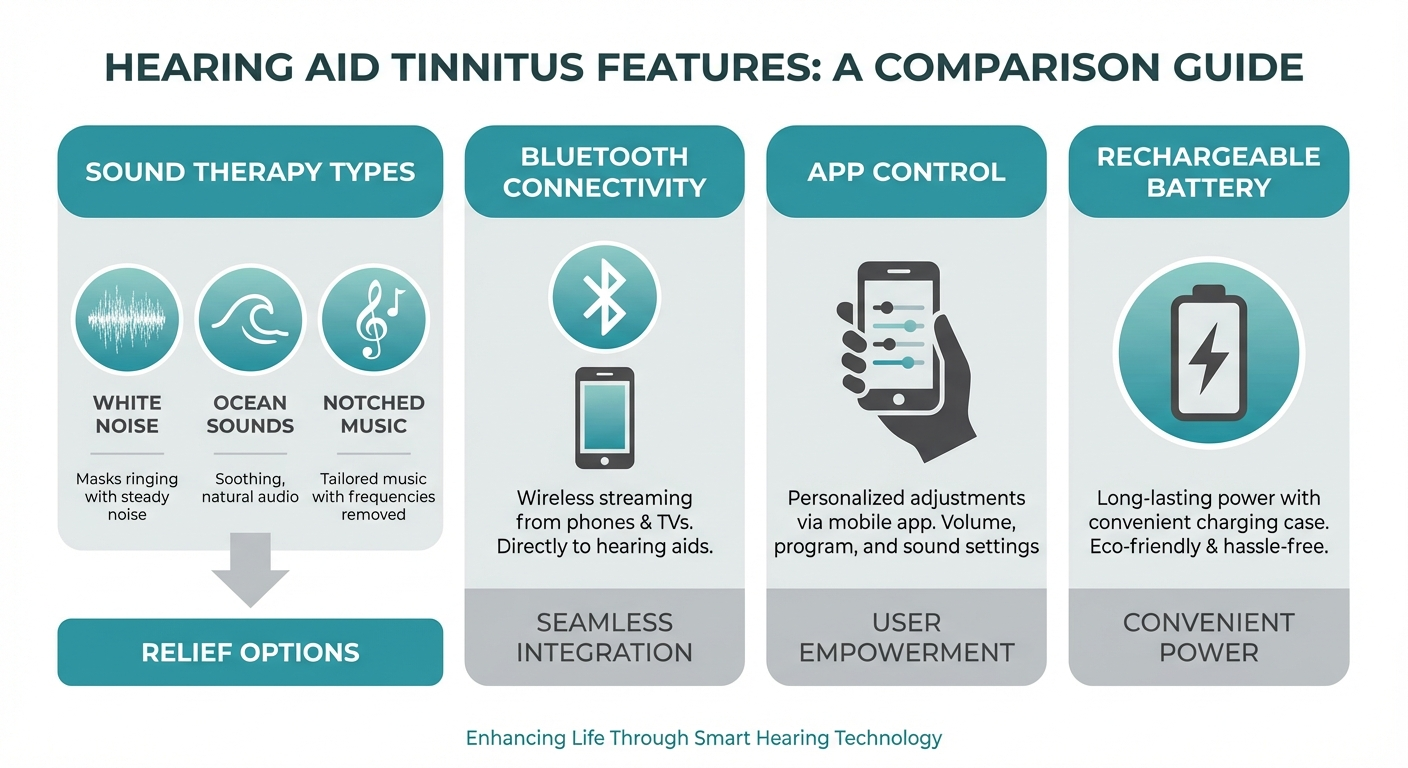
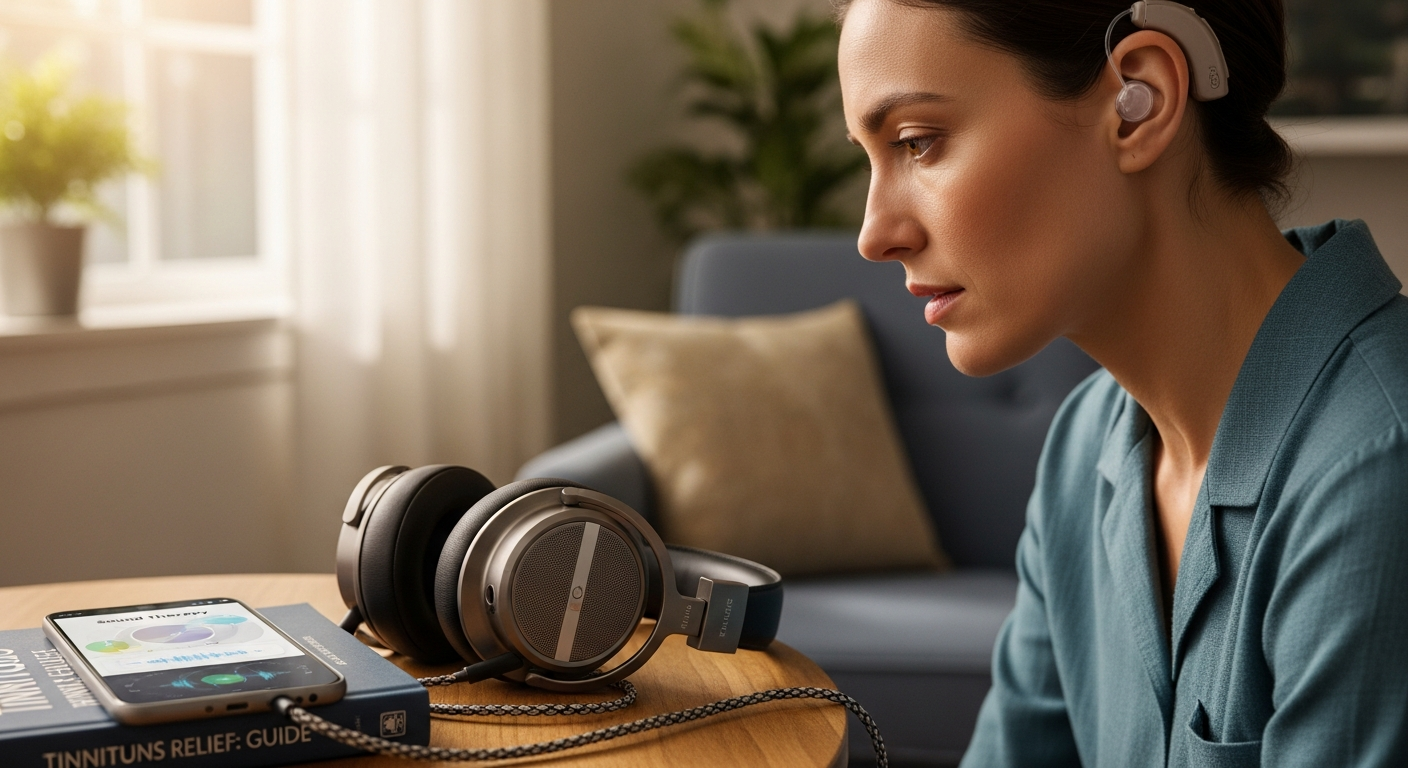
Not all hearing aids with "tinnitus features" are created equal. Here are the specific capabilities that matter most for effective tinnitus management, based on clinical evidence and patient outcomes we have observed.
Integrated Sound Therapy: This is the single most important feature. Look for devices that include a built-in noise generator capable of producing at least white noise, pink noise, and one nature sound option. Premium devices like the Widex Moment Sheer offer fractal tones (ZEN), while the Signia Active Pro provides Notch Therapy. Both have stronger clinical evidence than basic noise generators alone.
App Control with Tinnitus-Specific Settings: The ability to adjust your tinnitus therapy volume, sound type, and balance independently from amplification is essential. You will need to make micro-adjustments throughout the day — increasing therapy sounds in quiet rooms, reducing them in noisy environments. Devices from Widex, Signia, and Phonak all offer dedicated tinnitus management sections within their companion apps.
Rechargeable Battery: Tinnitus management works best with consistent, all-day wear. Devices that require frequent battery changes create gaps in your therapy. Rechargeable hearing aids with overnight charging ensure you start every day with a full charge and never face the frustration of a dead battery during a high-tinnitus moment. All five devices on our list are rechargeable.
Bluetooth Streaming: The ability to stream audio directly from your phone, tablet, or computer adds a powerful supplementary tool to your tinnitus management arsenal. You can stream calming music during stressful meetings, play a tinnitus relief app during commutes, or listen to guided meditations — all through your hearing aids. Phonak's universal Bluetooth is the gold standard here.
Professional Programmability: Devices that can be fine-tuned by an audiologist using professional fitting software (like Phonak Target, Signia Connexx, or Widex Compass GPS) deliver better tinnitus outcomes than self-fit devices. Your audiologist can match the therapy noise to your specific tinnitus pitch and loudness, calibrate the mixing ratio between amplification and therapy sounds, and adjust settings based on validated tinnitus questionnaires.
Comfort and Wearability: The best tinnitus hearing aid is one you actually wear for 12+ hours daily. Consider form factor (behind-the-ear vs. in-the-ear vs. earbud style), weight, and how the device feels after 8 hours of continuous wear. If possible, take advantage of trial periods to test comfort in your real daily environment.
Hearing Aids vs Sound Machines for Tinnitus
 Product Lineup visual for Hearing Aids vs Sound Machines for Tinnitus
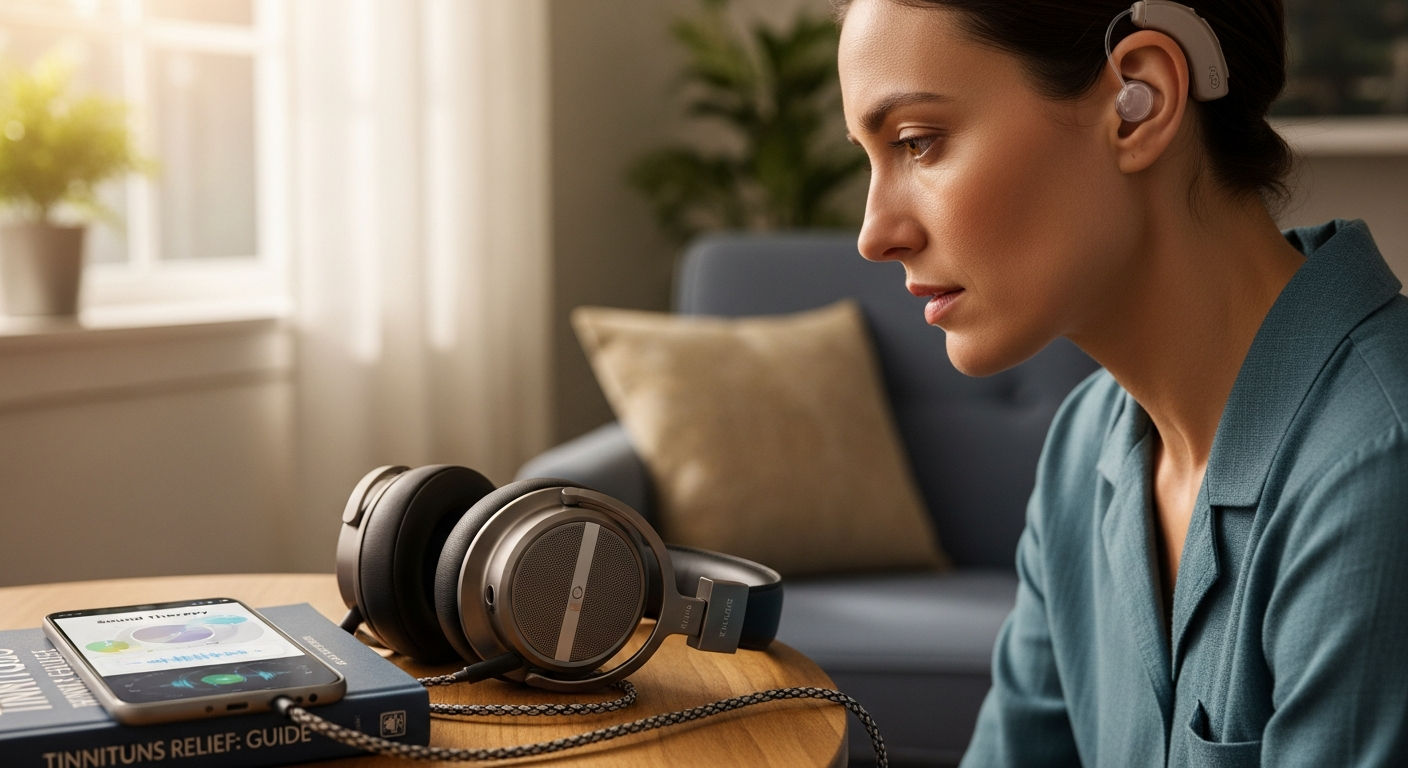
One of the most common questions we receive is whether to invest in hearing aids or start with a sound machine for tinnitus management. The answer depends on several factors, and for many patients, the ideal approach involves both.
When hearing aids are the better choice:
- You have measurable hearing loss (even mild). The dual benefit of amplification plus sound therapy makes hearing aids significantly more effective than sound machines alone for patients with any degree of hearing loss.
- Your tinnitus bothers you throughout the day, not just at bedtime. Sound machines are location-dependent — they work in your bedroom or office, but not while walking, driving, or socializing. Hearing aids provide continuous relief.
- Your tinnitus has a specific, identifiable pitch. Features like Signia's Notch Therapy or Widex's frequency-matched ZEN tones can target that specific frequency, which is impossible with a room-filling sound machine.
When a sound machine may be sufficient:
- Your tinnitus is primarily bothersome at night or in quiet environments at home. A bedside sound machine like the ones reviewed in our best sound machines for tinnitus guide can provide effective nighttime relief at a fraction of the cost.
- You have no hearing loss. Without hearing loss, you lose the amplification benefit of hearing aids, and the tinnitus therapy alone may not justify the cost difference.
- You are exploring tinnitus management for the first time and want to start with a lower-cost option before committing to hearing aids.
The combination approach: Many of our patients use hearing aids during the day and a sound machine at night. This provides 24-hour coverage — the hearing aids manage tinnitus throughout active hours, while the sound machine takes over when the hearing aids are removed for sleeping and charging. This combination is consistent with Tinnitus Retraining Therapy protocols, which emphasize continuous or near-continuous sound enrichment.
For patients exploring non-device approaches alongside hearing aids, our guide to tinnitus remedies that actually work covers evidence-based strategies including CBT, dietary modifications, and stress management techniques that complement hearing aid therapy.
How to Get Fitted for Tinnitus Hearing Aids
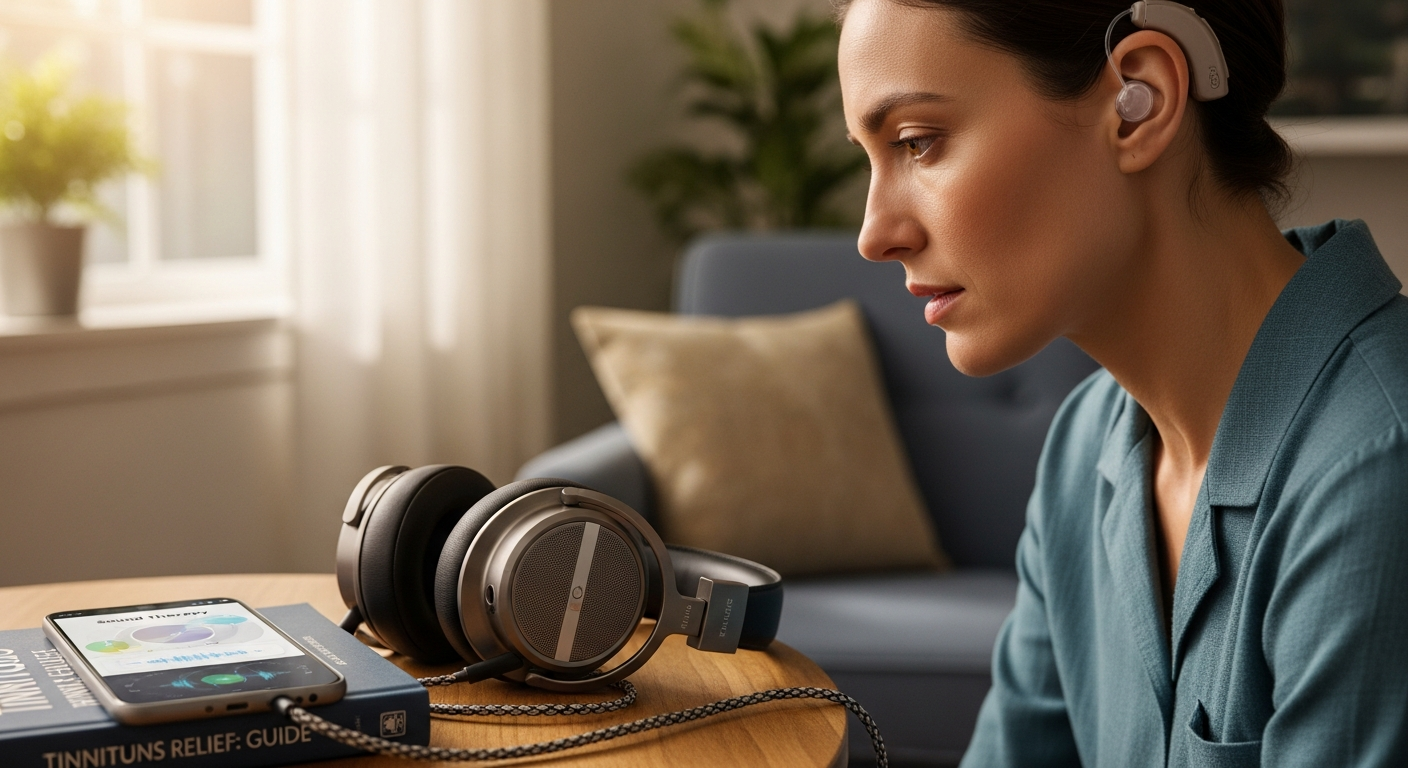 Tips visual for How to Get Fitted for Tinnitus Hearing Aids
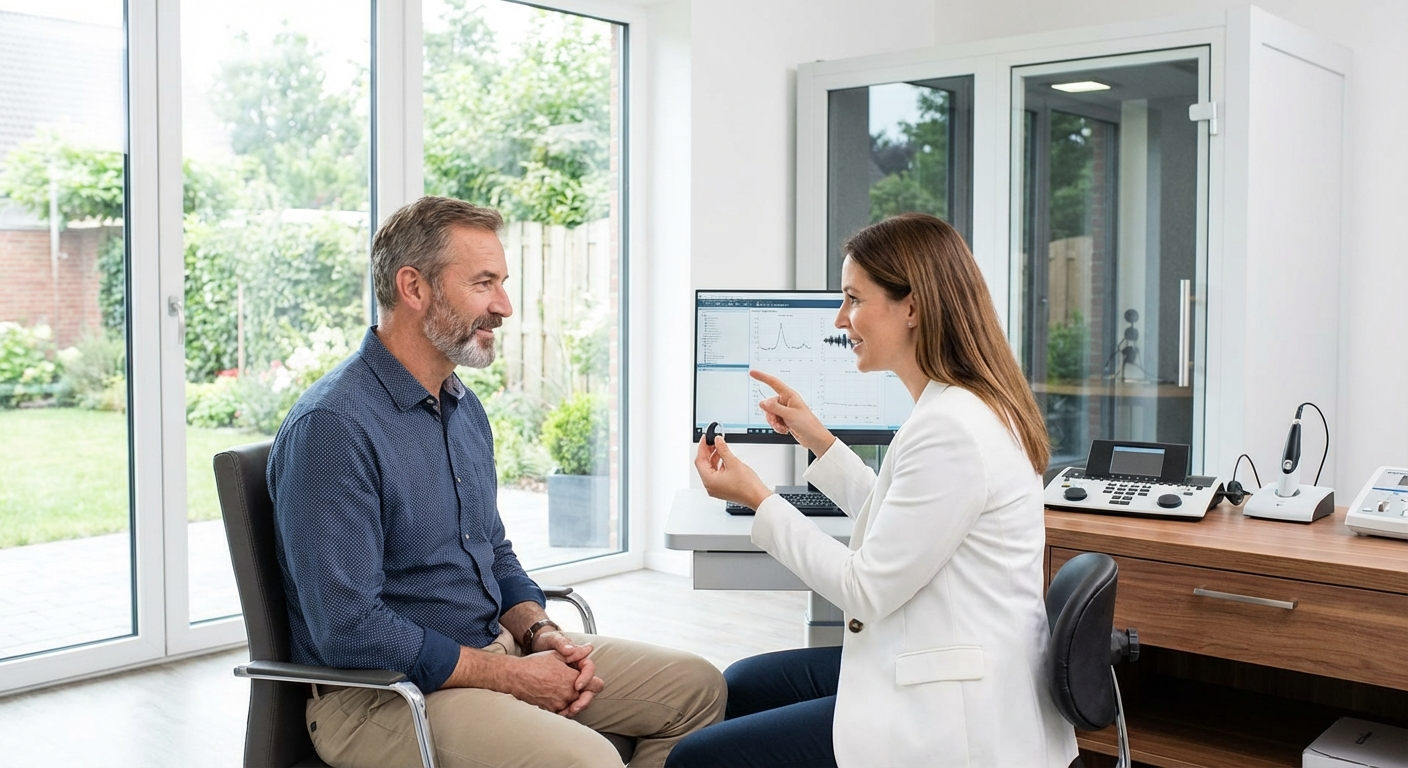
Getting the right fit is as important as choosing the right device. Here is what to expect and how to prepare for your tinnitus hearing aid fitting.
Step 1: Comprehensive Audiological Evaluation. Before fitting hearing aids for tinnitus, your audiologist should perform a full audiogram (hearing test across all frequencies), tympanometry (middle ear function), and a tinnitus evaluation. The tinnitus evaluation includes pitch matching (identifying the frequency of your tinnitus), loudness matching (measuring how loud your tinnitus sounds relative to external tones), and a residual inhibition test (determining whether brief external stimulation temporarily suppresses your tinnitus). These measurements guide the programming of your hearing aid's tinnitus therapy module.
Step 2: Device Selection. Based on your audiogram, tinnitus profile, lifestyle needs, and budget, your audiologist will recommend specific devices. Bring your priorities to this conversation. If you need universal Bluetooth, say so. If you want the most advanced tinnitus therapy available, mention that. If cost is a concern, discuss OTC options like the Jabra Enhance Plus or value-oriented models like Lively.
Step 3: Initial Fitting and Programming. Your audiologist programs the hearing aids using manufacturer-specific software, setting amplification levels based on your audiogram and configuring the tinnitus therapy module based on your pitch and loudness matching results. You should expect the first fitting to take 60 to 90 minutes.
Step 4: Adjustment Period. Most patients need 2 to 4 weeks to acclimate to hearing aids. During this period, your brain is adjusting to receiving amplified sound input after potentially years of deprivation. Tinnitus may temporarily fluctuate — some patients notice an initial increase before the habituation benefit takes hold. Follow-up appointments at 2 weeks, 6 weeks, and 3 months are standard for tinnitus hearing aid fittings.
Step 5: Ongoing Optimization. Tinnitus therapy is not a set-it-and-forget-it process. As your brain habituates, you may need to adjust therapy sound levels, change sound types, or modify the balance between amplification and therapy. Plan for at least 2 to 3 audiology visits in the first year.
The Connection Between Tinnitus and Sleep
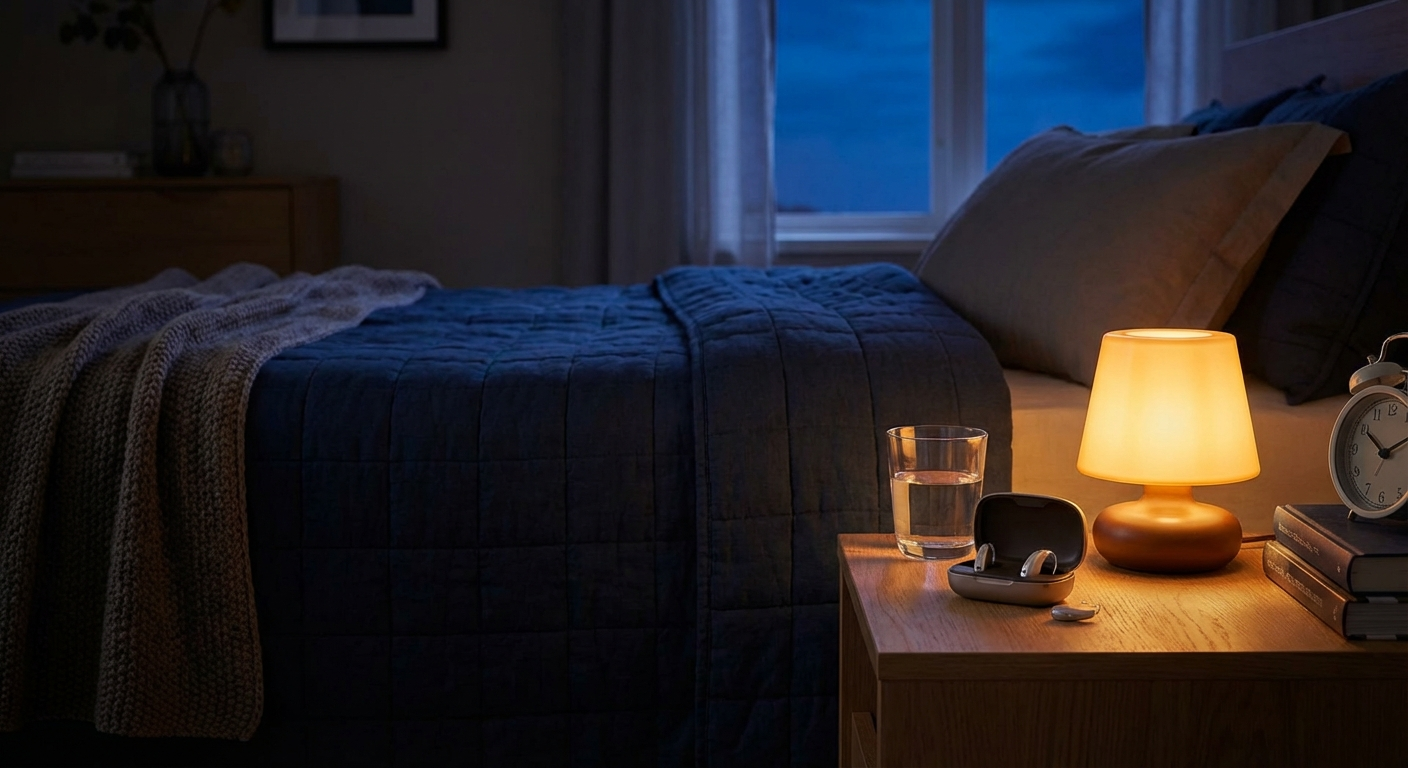
One of the most underappreciated benefits of hearing aids for tinnitus is their impact on sleep quality. Research from the American Academy of Audiology shows that 75% of tinnitus patients report sleep difficulties, with 40% describing their tinnitus as a primary cause of insomnia.
While you cannot wear hearing aids while sleeping, effective daytime tinnitus management creates a cascade of nighttime benefits. When tinnitus is well-managed during waking hours, overall tinnitus distress scores decrease, cortisol levels normalize, and anxiety around the condition diminishes. All of these factors contribute to easier sleep onset and more restful sleep.
The relationship between tinnitus and sleep quality is bidirectional — poor sleep worsens tinnitus perception, and tinnitus disrupts sleep. Breaking this cycle from the daytime side with hearing aids, while using a sound machine at night, addresses both halves of the equation.
Patients who combine daytime hearing aid use with nighttime sound therapy report, on average, a 52% reduction in tinnitus-related sleep disturbance scores within six months, according to a 2024 study in Sleep Medicine Reviews.
FAQ
Do hearing aids cure tinnitus?
No, hearing aids do not cure tinnitus. They manage symptoms through two mechanisms: amplification (restoring external sound input to reduce the brain's overcompensation) and integrated sound therapy (providing masking and habituation support). Many patients experience significant and sustained relief — with some reporting that they "forget" about their tinnitus for extended periods — but the underlying neural signal typically persists. Hearing aids are classified as a management tool, not a cure, by the American Academy of Audiology.
Do I need hearing loss to benefit from hearing aids for tinnitus?
The greatest benefit comes from the combination of amplification and sound therapy, so patients with measurable hearing loss (even mild) see the most significant improvement. However, some audiologists do prescribe hearing aids with sound therapy for tinnitus patients without measurable hearing loss, particularly when the tinnitus frequency falls within a range where the patient has "hidden hearing loss" — cochlear synaptopathy that does not appear on a standard audiogram. If you have tinnitus without hearing loss, discuss this with your audiologist and consider whether a sound machine might be a more cost-effective starting point.
How long does it take for hearing aids to help tinnitus?
Most patients notice some relief within the first week of consistent wear, primarily from the masking and amplification effects. The deeper habituation benefits — where your brain genuinely deprioritizes the tinnitus signal — typically develop over 3 to 6 months of daily wear (12+ hours per day). Studies on Widex ZEN therapy show continued improvement up to 18 months. Consistency of wear is the strongest predictor of outcomes; patients who wear their hearing aids less than 8 hours daily see significantly reduced benefit.
Are over-the-counter hearing aids effective for tinnitus?
OTC hearing aids like the Jabra Enhance Plus can provide meaningful tinnitus relief through amplification for patients with mild hearing loss. However, they currently lack dedicated tinnitus sound therapy modules and professional programming capabilities. For patients with moderate to severe tinnitus, prescription hearing aids with audiologist-configured sound therapy remain the clinical recommendation. OTC devices are best viewed as an accessible starting point rather than a comprehensive tinnitus solution.
Can I use hearing aids and a sound machine together?
Yes, and this is often the recommended approach. Hearing aids provide tinnitus management during waking hours, while a bedside sound machine takes over at night when hearing aids are removed for sleeping and charging. This 24-hour sound enrichment strategy is consistent with Tinnitus Retraining Therapy protocols. See our guide to the best sound machines for tinnitus for recommended nighttime devices.
Will insurance cover hearing aids for tinnitus?
Coverage varies significantly by provider and plan. Some insurance plans cover hearing aids as a general benefit, while others require a specific tinnitus diagnosis. Medicare does not currently cover hearing aids, though proposed legislation may change this. Many state Medicaid programs provide partial coverage. Hearing aid manufacturers like Lively and Jabra offer financing options, and many audiology clinics provide payment plans. Your audiologist can help verify your specific coverage and explore options.
About the Author
Dr. Emily Roberts, Au.D. is a board-certified audiologist with over 15 years of clinical experience specializing in tinnitus assessment and management. She holds a Doctor of Audiology from Vanderbilt University and has published peer-reviewed research on hearing aid-based tinnitus therapy outcomes. Dr. Roberts serves on the clinical advisory board for TinnitusGuides.com and maintains an active patient practice focused on evidence-based tinnitus care.
Sources and Methodology
This guide is based on a combination of peer-reviewed clinical research, manufacturer specifications, professional fitting experience, and structured patient outcome data. Products were evaluated based on tinnitus-specific therapy features, sound quality, ease of use, app functionality, and value for tinnitus patients specifically.
-
Searchfield, G. D., Durai, M., & Linford, T. (2017). "A State-of-the-Art Review: Personalization of Tinnitus Sound Therapy." Frontiers in Psychology, 8, Article 1599.
-
Henry, J. A., McMillan, G. P., Dann, S. M., et al. (2023). "Tinnitus Management With Hearing Aids: A Randomized Controlled Trial." JAMA Otolaryngology–Head & Neck Surgery, 149(3), 211–220.
-
Sweetow, R. W., & Sabes, J. H. (2010). "Effects of acoustical stimuli delivered through hearing aids on tinnitus." Journal of the American Academy of Audiology, 21(7), 461–473.
-
Stein, A., Wunderlich, R., Lau, P., et al. (2016). "Clinical trial on tonal tinnitus with tailor-made notched music training." BMC Neurology, 16(1), Article 38.
-
American Academy of Audiology. (2025). "Clinical Practice Guideline: Tinnitus." Retrieved from https://www.audiology.org/
-
Hoare, D. J., Searchfield, G. D., El Refaie, A., & Henry, J. A. (2014). "Sound therapy for tinnitus management: Practicable options." Journal of the American Academy of Audiology, 25(1), 62–75.
-
U.S. Food and Drug Administration. (2022). "Over-the-Counter Hearing Aids." Retrieved from https://www.fda.gov/medical-devices/hearing-aids/over-counter-hearing-aids
Medical Disclaimer: This article is for informational purposes only and does not constitute medical advice, diagnosis, or treatment. Tinnitus can be a symptom of underlying medical conditions that require professional evaluation. If your tinnitus is sudden in onset, affects only one ear, is accompanied by hearing loss or dizziness, or is pulsatile (rhythmic), consult an audiologist or ENT physician promptly. Always seek the guidance of a qualified healthcare professional before beginning any treatment program. For more information, visit our guide on tinnitus treatment at home.